
The Department of Tourism, Culture, Arts and Recreation is the lead for tourism, arts and culture, sport and recreation and Provincial parks. The Department is responsible for supporting economic growth and employment in the tourism industry, cultivating contemporary arts, preserving the Province’s cultural heritage, oversight of Provincial Parks, and for promoting and supporting physical activity for individuals, groups, and communities, by the development of policy and programs in support of provincial recreation and sport. The Department also establishes and operates provincial historic sites, visitor information centres, arts and culture centres, Provincial pools, and Provincial parks. Additionally, the Department provides regulatory protection of archaeological sites, artifacts and historic documents; supports the arts and heritage sectors, and recreation and sport, through programs and services; supports strategic product development in the tourism industry and marketing Newfoundland and Labrador as a destination to visitor markets; and, supports the tourism industry through research, opportunity identification and strategy development.
Features


Latest News
May 7, 2024
2024 Marks the Centennial of the Newfoundland National War Memorial; Commemoration to Include the Repatriation of an Unknown Newfoundland First World War Soldier
For 100 years, the Newfoundland National War Memorial, which is one of only two national war memorials in Canada, has been a somber reminder of the valiant contributions that Newfoundlanders and Labradorians made during armed conflicts since the First World War.
May 3, 2024
Media Advisory: Minister Crocker to Participate in 2024 East Coast Music Awards Events
The Honourable Steve Crocker, Minister of Tourism, Culture, Arts and Recreation, will be in Charlottetown, Prince Edward Island, to participate in the 2024 East Coast Music Awards.
May 1, 2024
Provincial Government Moves Forward with Amendments to the Tourist Accommodations Act
The amendments will require short-term accommodation hosts who list their primary residences to register with the Provincial Government.
April 30, 2024
2025 East Coast Music Awards Will be Held in St. John’s
Today, the Honourable Steve Crocker, Minister of Tourism, Culture, Arts and Recreation, and the Deputy Mayor of the City of St. John’s, Sheilagh O’Leary, announced that the 2025 East Coast Music Awards will be held in St. John’s.
April 29, 2024
Media Advisory: Minister Crocker to Make an Announcement Related to the East Coast Music Awards
The Honourable Steve Crocker, Minister of Tourism, Culture, Arts and Recreation, will make an announcement related to the East Coast Music Awards tomorrow (Tuesday, April 30).
April 26, 2024
Media Advisory: Minister Abbott to Bring Greetings at the Third Annual Pope Youth Film Festival
The Honourable John G. Abbott, Minister of Transportation and Infrastructure, will bring greetings at the third annual Pope Youth Film Festival taking place tonight (Thursday, April 25).
April 23, 2024
Minister Crocker Congratulates 2024 Arts and Letters Awards Winners
The Honourable Steve Crocker, Minister of Tourism, Culture, Arts and Recreation, is congratulating the winners of the 72nd annual Arts and Letters Awards Program. The awards were presented on Friday evening (April 19) during a ceremony at The Rooms.
April 19, 2024
Public Advisory: 2024 T’Railway Provincial Park Spring Conditions
Spring has arrived and with it snow melt and spring runoff. T’Railway Provincial Park users should exercise caution as conditions can change daily.
April 18, 2024
ParksNL Season Opening
With camping season just around the corner, ParksNL is preparing to open the reservation system and welcome 2024 clients.
April 18, 2024
Media Advisory: Minister Crocker to Bring Greetings at Hospitality Newfoundland and Labrador’s Tourism Week Luncheon
The Honourable Steve Crocker, Minister of Tourism, Culture, Arts and Recreation, will bring greetings at Hospitality Newfoundland and Labrador’s 2024 Tourism Week luncheon.
April 17, 2024
Media Advisory: Minister Crocker to Bring Greetings at Newfoundland and Labrador Premiere of The King Tide
The Honourable Steve Crocker, Minister of Tourism, Culture, Arts and Recreation, will bring greetings at the Newfoundland and Labrador premiere of The King Tide this evening (April 17).
April 16, 2024
Minister Crocker Announces $3 Million for ArtsNL and Year of the Arts Programming for Province’s Arts and Culture Centres
In celebration of the Year of the Arts, today the Honourable Steve Crocker, Minister of Tourism, Culture, Arts and Recreation, announced an additional $3 million in 2024 for ArtsNL, along with the Year of the Arts lineup for Arts and Culture Centres across Newfoundland and Labrador.
April 15, 2024
Media Advisory: Minister Crocker to Make Arts Announcement
The Honourable Steve Crocker, Minister of Tourism, Culture, Arts and Recreation, will make an announcement related to funding and programming for Year of the Arts initiatives tomorrow (Tuesday, April 16).
April 15, 2024
Minister Crocker Recognizes National Tourism Week 2024
This morning, the Honourable Steve Crocker, Minister of Tourism, Culture, Arts and Recreation, signed a proclamation recognizing April 15-19 as National Tourism Week.
April 12, 2024
Media Advisory: Minister Abbott to Bring Greetings at the Sport Newfoundland and Labrador Annual Provincial Awards
The Honourable John G. Abbott, Minister of Transportation and Infrastructure, will bring greetings at Sport Newfoundland and Labrador’s Annual Provincial Awards celebration tomorrow (Saturday, April 13).
April 12, 2024
Minister Crocker Announces Team NL Chef Team for the 2025 Canada Summer Games
The Honourable Steve Crocker, Minister of Tourism, Culture, Arts and Recreation, is announcing the Team NL Chefs for the 2025 Canada Summer Games.
April 11, 2024
Progress Continues on the National War Memorial Refurbishment
The refurbishment of the National War Memorial in St. John’s is well on its way to completion. Earlier this week, the Department of Transportation and Infrastructure marked a significant milestone in the project with the installation of the tomb portion of the Memorial.
April 11, 2024
Media Advisory: Minister Davis to Participate in PictureNL Clean Energy Series
The Honourable Bernard Davis, Minister of Environment and Climate Change, will bring greetings at the Clean Energy Series, presented by PictureNL, tomorrow (Friday, April 12).
April 10, 2024
Media Advisory: Minister Stoodley to Participate in Newfoundland and Labrador Folk Festival Lineup Announcement
The Honourable Sarah Stoodley, Minister of Digital Government and Service NL, will bring greetings this morning at the announcement of the Newfoundland and Labrador Folk Arts Society’s 2024 festival lineup.
April 3, 2024
Government of Newfoundland and Labrador Welcomes Canada’s Folk Artists to the Province
Folk musicians from across the country will come together in St. John’s this weekend to celebrate the 2024 Canadian Folk Music Awards.
April 1, 2024
Today Marks the 75th Anniversary of Newfoundland and Labrador’s Confederation with Canada
On April 1, 1949 – 75 years ago today – the people of this province awoke as Canadian citizens.
March 28, 2024
Active NL Fund Applications Now Being Accepted
March 27, 2024
Arts Infrastructure and Programming Fund Supports Arts Organizations During Year of the Arts
As announced this morning at the Newfoundland and Labrador Craft Council, the Honourable Steve Crocker, Minister of Tourism, Culture, Arts and Recreation, is sharing more information about Budget 2024’s $2 million Arts Infrastructure and Programming Fund.
March 27, 2024
Minister Crocker Announces 2024 Year of the Arts Initiatives
This morning, during an event at the Newfoundland and Labrador Craft Council, the Honourable Steve Crocker, Minister of Tourism, Culture, Arts and Recreation, announced additional funding for Year of the Arts initiatives in 2024.
March 26, 2024
Media Advisory: Minister Crocker to Make Post-Budget Arts Announcement
The Honourable Steve Crocker, Minister of Tourism, Culture, Arts and Recreation, will make an announcement related to funding for a number of Year of the Arts initiatives tomorrow (Wednesday, March 27).
March 26, 2024
Deadline to Register Tourist Accommodations Extended to June 30
The deadline to register tourist accommodations with the Department of Tourism, Culture, Arts and Recreation is being extended from March 31 to June 30, 2024.
March 22, 2024
Minister Crocker Announces Budget 2024 Creative Projects Fund for Year of the Arts
Artists and arts organizations make meaningful contributions to Newfoundland and Labrador’s vibrancy, and the well-being of our communities.
March 8, 2024
Newfoundland and Labrador’s Film and Television Industry Receives 17 Canadian Screen Awards Nominations
This week, Newfoundland and Labrador-based film and television productions, as well as a number of individuals working in the industry from this province, were nominated for Canada’s top honours in film and television.
March 7, 2024
Premier Furey and Minister Crocker Send Best Wishes for Premiere of Come From Away in Japan
The Honourable Dr. Andrew Furey, Premier of Newfoundland and Labrador, and the Honourable Steve Crocker, Minister of Tourism, Culture, Arts and Recreation, are sending their best wishes to the cast and crew of Come From Away, premiering tonight at the Nissay Theatre in Tokyo, Japan.
March 5, 2024
Newfoundland and Labrador Winter Games Wrap Up in Gander
After a week full of competition, sport and camaraderie, the 2024 Newfoundland and Labrador Winter Games came to a close this past weekend in Gander.
March 5, 2024
Public Advisory: Applications Now Being Accepted for the 2024 Athletic Excellence Fund
The Department of Tourism, Culture, Arts and Recreation is advising athletes throughout Newfoundland and Labrador that provincial sport organizations are now accepting applications for the 2024 Athletic Excellence Fund.
March 1, 2024
Media Advisory: Minister Haggie to Participate in Closing Ceremonies for the 2024 Newfoundland and Labrador Winter Games
The Honourable John Haggie, Minister of Municipal and Provincial Affairs and Member of the House of Assembly for the electoral district of Gander, will bring greetings at the closing ceremonies for the 2024 Newfoundland and Labrador Winter Games tomorrow (Saturday, March 2).
February 27, 2024
Provincial Government Applauds Expanded Access to Province; Work Continues to Attract New Routes
Air access continues to be a strategic priority for the Government of Newfoundland and Labrador and today the Honourable Steve Crocker, Minister of Tourism, Culture, Arts and Recreation, is applauding two new routes announced by Porter Airlines, with service from Deer Lake to Halifax, and St. John’s to Ottawa.
February 26, 2024
Media Advisory: Minister Haggie to Participate in 2024 Newfoundland and Labrador Winter Games Opening Ceremonies
The Honourable John Haggie, Minister of Municipal and Provincial Affairs, will bring greetings at the 2024 Newfoundland and Labrador Winter Games Opening Ceremonies today (Saturday, February 24).
February 15, 2024
Media Advisory: Minister Crocker to Participate in Newfoundland and Labrador Film Mission to Berlin
The Honourable Steve Crocker, Minister of Tourism, Culture, Arts and Recreation is participating in a Newfoundland and Labrador Film and Television mission to Berlin, Germany, beginning today (Thursday, February 15).
February 13, 2024
Provincial Government Announces Support for West Coast Outfitter
To enhance business and market development in the outfitting industry, the Honourable Andrew Parsons, KC, Minister of Industry, Energy and Technology, today announced $21,700 through the Business Development Support Program for Off the Grid Adventures Inc.
February 12, 2024
Minister Crocker Shares Condolences on the Passing of Denis Parker
The Honourable Steve Crocker, Minister of Tourism, Culture, Arts and Recreation, is sharing his condolences following the passing of Denis Parker.
February 12, 2024
Minister Crocker Issues Statement on Vrbo Ad
“As Minister of Tourism, Culture, Arts and Recreation for the Government of Newfoundland and Labrador, I am extremely disappointed with Vrbo’s ‘Relax – Rooster’ video spot which features the beloved Newfoundland and Labrador folk song, I’se the B’y.
February 8, 2024
Provincial Government Announces Grants to Commemorate the 75th Anniversary of Confederation
As part of the commemoration of Newfoundland and Labrador joining Canada in 1949, the Provincial Government is announcing two grant programs to enable communities and heritage groups to mark the milestone 75th anniversary.
February 8, 2024
Media Advisory: Minister Abbott to Participate in 2024 Canadian Folk Music Awards Press Conference
The Honourable John G. Abbott, Minister of Transportation and Infrastructure, will bring greetings at a Canadian Folk Music Awards press conference taking place today (Thursday, February 8).
February 5, 2024
Minister Crocker Shares Condolences on the Passing of Kevin Lewis
The Honourable Steve Crocker, Minister of Tourism, Culture, Arts and Recreation, is sharing his condolences following the passing of Kevin Lewis.
February 2, 2024
Minister Crocker Shares Condolences on the Passing of Rick Boland
The Honourable Steve Crocker, Minister of Tourism, Culture, Arts and Recreation, is sharing his condolences following the passing of Rick Boland.
February 2, 2024
Public Advisory: Archaeology Team to Survey Shipwreck at Cape Ray
Officials from the Government of Newfoundland and Labrador’s Provincial Archaeology Office are preparing to travel to Cape Ray to conduct a survey of the remains of a ship that recently appeared on the shore of J. T. Cheeseman Provincial Park.
January 31, 2024
Premier Furey and Minister Crocker to Lead London Tourism Mission
The Honourable Dr. Andrew Furey, Premier of Newfoundland and Labrador, will lead a tourism mission to London, United Kingdom, today (January 31) to celebrate and promote the direct air route from St. John’s to London, which begins this spring.
January 30, 2024
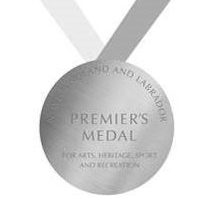
Premier’s Medal will Honour Excellence in Arts, Heritage, Recreation and Sport
To recognize the outstanding and invaluable contributions to life in Newfoundland and Labrador, the Honourable Dr. Andrew Furey is introducing for the first time in this province’s history the Premier’s Medal for Arts, Heritage, Recreation and Sport.
January 24, 2024
Heritage NL Designates the Historic Cable Superintendent’s House a Registered Heritage Structure
Heritage NL has awarded a provincial heritage designation to the historic Cable Superintendent’s House in Heart’s Content.
January 23, 2024
Minister Crocker Congratulates Newfoundland and Labrador Artists Nominated for ECMAs
Nominations for the 2024 East Coast Music Awards (ECMAs) were released earlier today and the Honourable Steve Crocker, Minister of Tourism, Culture, Arts and Recreation, is congratulating nominees from this province.
January 18, 2024
Media Advisory: Minister Crocker to Bring Greetings at Launch of PictureNL’s Year of the Arts Screening Series
The Honourable Steve Crocker, Minister of Tourism, Culture, Arts and Recreation, will bring greetings at PictureNL’s Year of the Arts Screening Series this evening (January 18).
January 5, 2024
Year of Arts Will Celebrate Newfoundland and Labrador’s Unique Artistic Identity
December 11, 2023
Premier Furey Announces Initiatives to Commemorate 75th Anniversary of Confederation
December 11, 2023
Media Advisory: Premier Furey to Announce Special Initiatives to Recognize the 75th Anniversary of Confederation
The Honourable Dr. Andrew Furey, Premier of Newfoundland and Labrador, will announce special initiatives to recognize the 75th anniversary of Confederation on Monday, December 11.
November 30, 2023
Gander’s Come From Away Will Return in Summer 2024
Following this year’s tremendously successful inaugural run in Gander, Come From Away will return in summer 2024.
November 15, 2023
Provincial Government Celebrates First Direct Route to Europe Since 2019
The Honourable Dr. Andrew Furey, Premier of Newfoundland and Labrador, today joined representatives from the St. John’s International Airport Authority and WestJet to celebrate the announcement of a direct route from St. John’s International Airport to London Gatwick Airport.
November 14, 2023
Media Advisory: Provincial Government to Join Partners in Making Significant Air Access Announcement
The Honourable Dr. Andrew Furey, Premier of Newfoundland and Labrador, will join officials from WestJet and the St. John’s International Airport Authority in making a significant announcement related to air access tomorrow (Wednesday, November 15).
October 25, 2023
Media Advisory: Minister Crocker to Participate in Team Canada Trade Mission to Japan
The Honourable Steve Crocker, Minister of Tourism, Culture, Arts and Recreation, will travel to Japan today (Wednesday, October 25) to participate in Team Canada’s Trade Mission to promote Newfoundland and Labrador’s creative industries and tourism opportunities.
October 23, 2023
Ministerial Statement – Minister Crocker Congratulates The Rooms on a Record-setting Year
Speaker, I rise today to highlight the amazing work that is being done by the staff and leadership at The Rooms in preserving, celebrating and sharing our province’s unique history and culture.
October 20, 2023
Media Advisory: Minister Crocker to Attend MusicNL’s Music Awards Gala
The Honourable Steve Crocker, Minister of Tourism, Culture, Arts and Recreation, will attend MusicNL’s Music Awards Gala tomorrow (Saturday, October 21).
October 18, 2023
Minister Crocker Congratulates Newfoundland and Labrador Musicians Nominated for 2024 Canadian Folk Music Awards
The Honourable Steve Crocker, Minister of Tourism, Culture, Arts and Recreation, is congratulating six Newfoundland and Labrador folk musicians/groups who have been nominated for 2024 Canadian Folk Music Awards.
October 17, 2023
Media Advisory: Minister Crocker Bringing Greetings at the St. John’s International Women’s Film Festival’s Opening Night
The Honourable Steve Crocker, Minister of Tourism, Culture, Arts and Recreation, will bring greetings at the opening night of the St. John’s International Women’s Film Festival this evening (Tuesday, October 17).
October 17, 2023
Ministerial Statement – Minister Crocker Congratulates St. John’s International Women’s Film Festival
The following statement was given today in the House of Assembly by the Honourable Steve Crocker, Minister of Tourism, Culture, Arts and Recreation:
October 13, 2023
Media Advisory: Minister Davis to Bring Greetings at 50th Annual Newfoundland and Labrador Sport Hall of Fame Induction Ceremony
The Honourable Bernard Davis, Minister of Environment and Climate Change, will bring greetings at the 50th annual Newfoundland and Labrador Sport Hall of Fame Induction ceremony tomorrow (Saturday, October 14).
October 10, 2023
Media Advisory: Minister Crocker Co-chairing Federal-Provincial-Territorial Meetings
The Honourable Steve Crocker, Minister of Tourism, Culture, Arts and Recreation, will co-chair meetings of the Canadian Council of Tourism Ministers alongside the Honourable Soraya Martinez Ferrada, federal Minister of Tourism and Minister responsible for the Economic Development Agency of Canada for the Regions of Quebec.
October 4, 2023
Premier Furey Presents Annual Awards to Newfoundland and Labrador’s Top Young Athletes
The Honourable Dr. Andrew Furey, Premier of Newfoundland and Labrador, this evening presented awards to 126 young athletes from across the province at the 19th annual Premier’s Athletic Awards.
October 3, 2023
Media Advisory: Premier Furey to Present Annual Athletic Awards
The Honourable Dr. Andrew Furey, Premier of Newfoundland and Labrador, will host the 19th Annual Premier’s Athletic Awards tomorrow (Wednesday, October 4).
September 27, 2023
Provincial Government Recognizes Concussion Awareness Week in Newfoundland and Labrador
The Honourable Steve Crocker, Minister of Tourism, Culture, Arts and Recreation, has proclaimed September 24 to September 30, 2023 as Concussion Awareness Week in Newfoundland and Labrador.
September 21, 2023
Media Advisory: Minister Abbott to Speak at Reopening of Majestic Theatre
The Honourable John G. Abbott, Minister of Transportation and Infrastructure, will bring greetings at the reopening of the Majestic Theatre tomorrow (Friday, September 22).
September 18, 2023
Government of Newfoundland and Labrador Launches New Digital Physical Activity Kit for Health Care Providers
Health care providers in Newfoundland and Labrador now have a convenient resource at their fingertips to help individuals achieve their well-being goals around physical activity.
September 15, 2023
Media Advisory: Minister Crocker to Make Announcement to Improve Physical Activity
The Honourable Steve Crocker, Minister of Tourism, Culture, Arts and Recreation, will make an announcement related to physical activity on Monday, September 18.
September 14, 2023
Minister Crocker Announces Year of the Arts Support for the Music Community
The Honourable Steve Crocker, Minister of Tourism, Culture, Arts and Recreation, today announced $700,000 in support of musical initiatives for the Year of the Arts.
September 13, 2023
Public Advisory: T’Railway Provincial Park Reopens Between MacDougall’s and Port aux Basques
The public is advised that the T’Railway Provincial Park has reopened between MacDougall’s and Port aux Basques, following repairs to areas that were damaged by Hurricane Fiona and by heavy rain earlier this summer.
September 13, 2023
Media Advisory: Minister Crocker to Announce Year of the Arts Support for the Music Community
The Honourable Steve Crocker, Minister of Tourism, Culture, Arts and Recreation, will make an announcement related to Year of the Arts funding for the music community tomorrow (Thursday, September 14).
September 11, 2023
Newfoundland and Labrador Filmmakers, Christian Sparkes and Allison White, Debut ‘The King Tide’ at the Toronto International Film Festival
The Honourable Steve Crocker, Minister of Tourism, Culture, Arts and Recreation, is sending hearty congratulations to two filmmakers from Newfoundland and Labrador whose film is debuting tonight at the Toronto International Film Festival.
September 11, 2023
Provincial Government Seeking Applications for 2025 Canada Summer Games Chefs de Mission and Mission Staff
The Provincial Government is now accepting applications from individuals who are interested in serving as Team Newfoundland and Labrador’s Chef de Mission, Assistant Chef de Mission and Mission Staff for the 2025 Canada Summer Games, which will take place in St. John’s from August 8 to 24, 2025.
September 12, 2023
Le Concours artistique et littéraire 2024 est maintenant ouvert
Les œuvres d’art et de littérature sont maintenant acceptées pour l’une des plus prestigieuses initiatives de reconnaissance dans le domaine des arts de la province – le Concours artistique et littéraire.
September 8, 2023
2024 Arts and Letters Awards Program Now Accepting Submissions
The 2024 program will be enhanced during the province-wide Year of the Arts, celebrating Newfoundland and Labrador’s incredible and vibrant arts and cultural sector.
September 5, 2023
Public Advisory: T’Railway Provincial Park Closed Between Doyles Road and Cemetery Road in Conception Bay South
The public is advised that the T’Railway Provincial Park is closed until further notice from Doyles Road to Cemetery Road in Conception Bay South.
August 31, 2023
Newfoundland and Labrador Film Development Corporation Rebrands as ‘PictureNL’, Positioning the Province’s Film and Television Industry for Further Growth
In a move to modernize its branding and reinvigorate its mandate, the Newfoundland & Labrador Film Development Corporation (NLFDC) is rebranding as PictureNL.
August 30, 2023
Public Advisory: Update on Repairs to T’Railway Provincial Park Between Heatherton and Port aux Basques
The public is advised that the T’Railway Provincial Park has reopened between Heatherton and MacDougall’s, following repairs to areas that were damaged by heavy rain earlier this summer.
August 8, 2023
Provincial Government Commits $2.7 Million for Artists Through Year of the Arts Grants
The Honourable Dr. Andrew Furey, Premier of Newfoundland and Labrador, announced today that $2.7 million in funding will be made available to artists to help them prepare for 2024’s Year of the Arts initiative.
August 4, 2023
Deadline Extended for Public Consultation on New Theatre in St. John’s
The Honourable Steve Crocker, Minister of Tourism, Culture, Arts and Recreation, is extending the deadline for the recently launched public consultations on the establishment of a new theatre in St. John’s.
July 24, 2023
Public Advisory: T’Railway Provincial Park Closed From Heatherton to Port aux Basques
The public is advised that the T’Railway Provincial Park is closed between Heatherton and Port aux Basques in the southwest coast region.
July 12, 2023
Public Advisory: Free Day Use at Provincial Parks on July 15
In celebration of Parks Day, the $10 daily vehicle permit fee will be waived for all day use visitors to Provincial Parks on Saturday, July 15, 2023.
June 29, 2023
Public Advisory: T’Railway Provincial Park Remains Closed at J. T. Cheeseman Provincial Park
June 14, 2023
Media Advisory: Minister Crocker to Bring Greetings at Event Atlantic Summit
The Honourable Steve Crocker, Minister of Tourism, Culture, Arts and Recreation, will bring greetings at the Event Atlantic Summit tomorrow (Wednesday, June 14).
May 30, 2023
Media Advisory: Minister Abbott to Bring Greetings at SportNL Scholarship Awards
The Honourable John G. Abbott, Minister of Children, Seniors and Social Development, will bring greetings at SportNL’s 2023 Scholarship Awards Ceremony tomorrow (Wednesday, May 31).
May 30, 2023
Newfoundland and Labrador Film Development Corporation Appoints New Chief Executive Officer
The Newfoundland and Labrador Film Development Corporation (NLFDC) is pleased to announce the appointment of Laura Churchill as its new Chief Executive Officer (CEO), effective June 1, 2023.
May 30, 2023
Media Advisory: Minister Abbott to Participate in Opera on the Avalon’s 2023 Season Press Conference
May 25, 2023
Media Advisory: Minister Haggie to Participate in Recreation NL Annual General Meeting and Conference
The Honourable John Haggie, Minister of Education, will bring greetings at the opening of Recreation NL’s Annual General Meeting and Conference tomorrow (Friday, May 26).
May 18, 2023
Newfoundland and Labrador to Host the 2024 Canadian Folk Music Awards
The Honourable Steve Crocker, Minister of Tourism, Culture, Arts and Recreation, today announced that Newfoundland and Labrador will host the 2024 Canadian Folk Music Awards.
May 17, 2023
Media Advisory: Minister Crocker to Announce Folk Music Event
The Honourable Steve Crocker, Minister of Tourism, Culture, Arts and Recreation, will make an announcement related to folk music in Newfoundland and Labrador tomorrow (Thursday, May 18).
May 17, 2023
Media Advisory: Minister Davis to Participate in Davis Cup Champions Tour Event
The Honourable Bernard Davis, Minister of Environment and Climate Change, will bring greetings at a Davis Cup Champions Tour event tomorrow (Thursday, May 18).
May 9, 2023
Ministerial Statement – Minister Crocker Congratulates East Coast Music Awards Winners
Speaker, I rise today to celebrate an incredible showing by Newfoundland and Labrador talent at this weekend’s East Coast Music Awards in Halifax.
May 4, 2023
Media Advisory: Minister Crocker to Attend 2023 East Coast Music Awards
The Honourable Steve Crocker, Minister of Tourism, Culture, Arts and Recreation, will be attending the 2023 East Coast Music Awards taking place this weekend in Halifax, Nova Scotia.
May 3, 2023
Premier Furey Announces 2024 as ‘Year of the Arts’
This evening, the Honourable Dr. Andrew Furey, Premier of Newfoundland and Labrador, announced that 2024 will be known as the “Year of the Arts,” a celebration of Newfoundland and Labrador’s rich arts and cultural sector.
May 1, 2023
Ministerial Statement – Minister Crocker Congratulates Participants in the High School Short Film Festival
The following statement was given today in the House of Assembly by the Honourable Steve Crocker, Minister of Tourism, Culture, Arts and Recreation.
April 28, 2023
Applications Now Being Accepted for Active NL Fund
Applications are now being accepted for the 2023-24 Active NL Fund. Funding is available to support community-based active healthy living initiatives, infrastructure or equipment that will help increase physical activity, sport, active recreation and healthy eating for individuals of all ages and abilities.
April 28, 2023
Media Advisory: Minister Davis to Bring Greetings at the Newfoundland and Labrador Soccer Association’s Hall of Fame Induction Ceremony
The Honourable Bernard Davis, Minister of Environment and Climate Change, will bring greetings at the Newfoundland and Labrador Soccer Association’s Hall of Fame Induction Ceremony today (Friday, April 28).
April 27, 2023
Media Advisory: Ministers Crocker and Parsons Available to the Media
The Honourable Steve Crocker, Minister of Tourism, Culture, Arts and Recreation, and the Honourable Andrew Parsons, KC, Minister of Industry, Energy and Technology, will be available to the media today (Thursday, April 27) to discuss Marine Atlantic’s decision to impose a transparent fuel surcharge on its vessels.
April 26, 2023
Ministerial Statement – Minister Crocker Recognizes National Tourism Week
The following statement was given today in the House of Assembly by the Honourable Steve Crocker, Minister of Tourism, Culture, Arts and Recreation:
April 20, 2023
2023 ParksNL Season Opening with Park Improvements
With camping season just around the corner, ParksNL is launching spring and summer 2023 with updates and changes aimed at modernizing visitor experiences.
April 17, 2023
Minister Crocker Congratulates 2023 Arts and Letters Award Winners
The Honourable Steve Crocker, Minister of Tourism, Culture, Arts and Recreation, congratulates all winners and nominees of the 71st annual Arts and Letters Awards Program.
April 13, 2023
Media Advisory: Minister Crocker to Bring Greetings at 2023 Arts and Letters Awards Program
The Honourable Steve Crocker, Minister of Tourism, Culture, Arts and Recreation, will attend the public reception for the 71st annual Arts and Letters Awards exhibition tomorrow (Friday, April 14).
April 10, 2023
Media Advisory: Minister Crocker to Speak at Newfoundland and Labrador High School Short Film Festival
The Honourable Steve Crocker, Minister of Tourism, Culture, Arts and Recreation, will bring greetings at the Newfoundland and Labrador High School Short Film Festival tonight (Thursday, April 6).
April 5, 2023
Public Advisory: Maintenance Closure Planned for Pool at Corner Brook Arts and Culture Centre
The public is advised that the provincially-operated swimming pool at the Corner Brook Arts and Culture Centre will be closed on Monday, April 10, for required maintenance.
April 4, 2023
New Tourist Accommodations Act and Regulations Proclaimed
Today the Government of Newfoundland and Labrador proclaimed the new Tourist Accommodations Act and regulations, which aim to strengthen operating rules for short-term accommodations in Newfoundland and Labrador.
April 3, 2023
Media Advisory: Minister Crocker to Provide Update on Tourist Accommodations Act
The Honourable Steve Crocker, Minister of Tourism, Culture, Arts and Recreation, will provide an update on the Tourist Accommodation Act tomorrow (Tuesday, April 4).
March 31, 2023
Shelly Kawaja Named Winner of the 2022 BMO Winterset Award for The Raw Light of Morning
The Government of Newfoundland and Labrador is congratulating Shelly Kawaja on winning the 2022 BMO Winterset Award for The Raw Light of Morning.
March 28, 2023
Minister Congratulates Son of a Critch on Third Season
The Honourable Steve Crocker, Minister of Tourism, Culture, Arts and Recreation, is congratulating the cast and crew of Son of a Critch, which has been picked up for a third season on CBC and CBC Gem.
March 15, 2023
Ministerial Statement – Minister Congratulates Canada Winter Games Athletes
The following statement was given today in the House of Assembly by the Honourable Steve Crocker, Minister of Tourism, Culture, Arts and Recreation:
Speaker, I rise in this Honourable House today to recognize an incredible group of young people from Newfoundland and Labrador.
March 8, 2023
Minister Crocker Announces Over $1 Million for Tennis Facility Upgrades Ahead of the 2025 Canada Summer Games
March 7, 2023
Media Advisory: Minister Crocker to Announce Funding for 2025 Canada Summer Games Infrastructure
The Honourable Steve Crocker, Minister of Tourism, Culture, Arts and Recreation, will announce funding for 2025 Canada Summer Games infrastructure tomorrow (Wednesday, March 8).
March 6, 2023
Minister Crocker Applauds Come From Away Cast Announcement and Shares Progress on Arts and Culture Centre Upgrades
In only six months Come From Away comes home, as the award-winning show is set to premiere at the Joseph R. Smallwood Arts and Culture Centre in Gander this July.
February 28, 2023
Heart’s Content One Step Closer to UNESCO World Heritage Status
Progress continues in the journey toward having the Heart’s Content Cable Station Provincial Historic Site inscribed as a UNESCO World Heritage Site.
February 28, 2023
Newfoundland and Labrador Television Productions Receive 13 Canadian Screen Award Nominations
The Provincial Government congratulates four television productions filmed in Newfoundland and Labrador for receiving a total of 13 Canadian Screen Award Nominations – the most nominations ever associated with this province.
February 28, 2023
Media Advisory: Minister Davis to Speak at Hospitality Newfoundland and Labrador Conference Luncheon
The Honourable Bernard Davis, Minister of Environment and Climate Change, will speak at the Hospitality Newfoundland and Labrador Conference Luncheon tomorrow (Wednesday, March 1).
February 27, 2023
Premier Furey and Minister Crocker Extend Best Wishes to Team NL Athletes Competing in Week Two of the Canada Winter Games
The Honourable Andrew Furey, Premier of Newfoundland and Labrador, and the Honourable Steve Crocker, Minister of Tourism, Culture, Arts and Recreation, are extending best wishes to Team NL athletes competing during the second week of the 2023 Canada Winter Games in Prince Edward Island.
February 27, 2023
Joint Statement from Premier Furey and Minister Crocker on the Passing of Gordon Pinsent
The Honourable Andrew Furey, Premier of Newfoundland and Labrador, and the Honourable Steve Crocker, Minister of Tourism, Culture, Arts and Recreation, are expressing their condolences on the passing of the incomparable Gordon Pinsent.
February 17, 2023
Public Advisory: Pool at Corner Brook Arts and Culture Centre Closed Monday For Civic Holiday
The public is advised that the provincially-operated swimming pool at the Corner Brook Arts and Culture Centre will be closed on Monday, February 20, for the Winter Carnival Civic Holiday.
February 17, 2023
Enhancing Outdoor Adventure Opportunities
To enhance marketing and development opportunities, the Honourable Andrew Parsons, Minister of Industry, Energy and Technology, today announced nearly $231,000 for five businesses through the Business Development Support program.
February 15, 2023
Public Advisory: Pool at Gander Arts and Culture Centre Open
The public is advised that the provincially operated swimming pool in Gander has resumed regular operations today, (Wednesday, February 15), following yesterday’s weather-related closure.
February 14, 2023
Public Advisory: Pool at Gander Arts and Culture Centre Closed Due to Weather
The public is advised that the provincially operated swimming pool in Gander will be closed for the rest of today (Tuesday, February 14) due to inclement weather.
February 1, 2023
Minister Crocker Congratulates Newfoundland and Labrador Juno Nominees
The Honourable Steve Crocker, Minister of Tourism, Culture, Arts and Recreation, is extending congratulations to four artists and a teacher from Newfoundland and Labrador who have been nominated for the 2023 Juno Awards.
January 25, 2023
Applications Now Being Accepted for the 2023 Athletic Excellence Fund
The Honourable Steve Crocker, Minister of Tourism, Culture, Arts and Recreation is inviting athletes throughout Newfoundland and Labrador to apply for funding from the 2023 Athletic Excellence Fund.
January 25, 2023
Minister Crocker Sends Congratulations to ECMA Nominees
The Honourable Steve Crocker, Minister of Tourism, Culture, Arts and Recreation, is congratulating nominees for the 2023 East Coast Music Awards (ECMAs). The announcement took place yesterday at an event in Halifax, Nova Scotia, the host city for this year’s awards.
January 4, 2023
Minister Crocker Congratulates Order of Canada Recipients Buddy Wasisname & the Other Fellers
The Honourable Steve Crocker, Minister of Tourism, Culture, Arts and Recreation, is extending congratulations to Kevin Blackmore of Glovertown, Wayne Chaulk of Charlottetown (Bonavista Bay) & Ray Johnson of Carbonear on their appointments as Members of the Order of Canada.
December 22, 2022
Public Advisory: Snowclearing Within T’Railway Provincial Park is Illegal Without a Permit
The public are reminded that snow clearing and vehicular access within the T’Railway Provincial Park are prohibited without a permit.
December 14, 2022
Provincial Arts and Culture Centres Celebrate Successes of 2022
Arts and Culture Centres in Newfoundland and Labrador have experienced a successful 2022 to date, with an increase of audience attendance by 53 per cent over 2021.
December 8, 2022
ParksNL Celebrates Record Visitation and Campsite Stays in 2022
Come Home 2022 was a record-breaking year for ParksNL, with more than 233,000 visits to Newfoundland and Labrador’s 32 provincial parks.
December 7, 2022
Provincial Government and Industry Partners Release 2022-2026 Tourism Vision and Strategy
The Honourable Steve Crocker, Minister of Tourism, Culture, Arts and Recreation, today announced the launch of ‘Transition. Transform. Thrive. A Tourism Vision and Strategy for Newfoundland and Labrador.’
December 6, 2022
Media Advisory: Minister Crocker to Present 2022-26 Tourism Vision
The Honourable Steve Crocker, Minister of Tourism, Culture, Arts and Recreation, will present a vision for the future of the tourism industry in Newfoundland and Labrador tomorrow (Wednesday, December 7).
November 22, 2022
Record Year for Provincial Historic Site Visits in Newfoundland and Labrador
Come Home 2022 was a record-breaking year for Provincial Historic Sites in Newfoundland and Labrador.
November 21, 2022
Media Advisory: Minister Crocker Attending Tourism Industry Association of Canada’s Tourism Congress in Ottawa
The Honourable Steve Crocker, Minister of Tourism, Culture, Arts and Recreation, will be attending the Tourism Industry Association of Canada’s Tourism Congress 2022 in Ottawa from November 21-23.
Each year, the event hosts more than 400 delegates from the tourism and hospitality industry in Canada, including key decision-makers from both the private and public sectors. This year’s theme is “Reimagining Tourism.”
November 17, 2022
New Track and Field Facilities in St. John’s for the 2025 Canada Summer Games
Today, the Honourable Andrew Furey, Premier of Newfoundland and Labrador, the Honourable Elvis Loveless, Minister of Transportation and Infrastructure, the Honourable Seamus O’Regan Jr., Minister of Labour, Joanne Thompson, Member of Parliament for St. John’s East, and His Worship Danny Breen, Mayor of St. John’s, announced $34 million in joint funding for a new outdoor track and field facility and an indoor multi-purpose facility to host the 2025 Canada Summer Games.
November 16, 2022
Media Advisory: Infrastructure Announcement in St. John’s
The Honourable Andrew Furey, Premier of Newfoundland and Labrador will make an infrastructure announcement tomorrow (Thursday, November 17). Premier Furey will be joined by the Honourable Seamus O’Regan Jr., Minister of Labour, on behalf of the Honourable Dominic LeBlanc, Minister of Intergovernmental Affairs, Infrastructure and Communities; Joanne Thompson, MP for St. John’s East; and His Worship Danny Breen, Mayor of the City of St. John’s.
The event will be held at the Paul Reynolds Community Centre, 35 Carrick Drive, at 1:00 p.m.
November 14, 2022
Premier’s Athletic Awards Honour Province’s Top Young Athletes
Over 125 of the province’s top athletes were recognized today at the 18th annual Premier’s Athletic Awards in St. John’s.
November 13, 2022
Media Advisory: Premier Furey to Present Annual Athletic Awards
The Honourable Andrew Furey, Premier of Newfoundland and Labrador, will host the 18th Annual Premier’s Athletic Awards tomorrow (Monday, November 14). The Premier will be joined by the Honourable Steve Crocker, Minister of Tourism, Culture, Arts and Recreation.
The event will take place at the Arts and Culture Centre, 95 Allandale Road, St. John’s at 4:30 p.m. The event will also be livestreamed on the Government of Newfoundland and Labrador Facebook page.
The Premier’s Athletic Awards recognize athletic excellence in Newfoundland and Labrador and provide financial support to help athletes with the costs of training and competition.
November 9, 2022
Gold Coin Found on Island of Newfoundland’s South Coast May be Oldest Ever Found in Canada
A gold coin that was recently discovered on Newfoundland’s south coast may be the oldest-known English coin found in an archaeological context in Canada.
November 8, 2022
‘The 18’, a Come Home Year Concert of Remembrance, Free to the Public on November 11
A powerful new musical event entitled ‘The 18’ will take place at the Basilica of St. John the Baptist on Remembrance Day (Friday, November 11).
November 4, 2022
Come From Away to Come Home to Gander in Summer 2023
Come From Away is coming home! Today, the Honourable Andrew Furey, Premier of Newfoundland and Labrador, announced that a home-grown, reimagined version of the internationally acclaimed theatrical production, Come From Away, will be housed in Gander, beginning in the summer of 2023.
November 2, 2022
Ministerial Statement – Provincial Government Proud to Support New Track and Field Facility for 2025 Canada Summer Games
The following statement was given today in the House of Assembly by the Honourable Steve Crocker, Minister of Tourism, Culture, Arts and Recreation: Speaker, it is my pleasure to rise in this honorable house today to share some exciting news.
November 1, 2022
Minister Crocker Congratulates 2022 MusicNL Award Winners
This past weekend was one of incredible talent and celebration, as MusicNL recognized musical excellence in Newfoundland and Labrador through its Industry Awards and Music Awards ceremonies.
October 28, 2022
Minister Crocker Launches New Tourism Experience Enhancement Fund for Tourism and Hospitality Operators
The Honourable Steve Crocker, Minister of Tourism, Culture, Arts and Recreation, today announced that a fund of $3 million will be available for tourism and hospitality operators to enhance their products and experiences.
October 27, 2022
Media Advisory: Minister Crocker to Announce Funding for Tourism Operators
The Honourable Steve Crocker, Minister of Tourism, Culture, Arts and Recreation, will make a funding announcement related to tourism operators tomorrow (Friday, October 28) at 11:00 a.m.
October 27, 2022
Media Advisory: Ministers Crocker and Byrne to Attend Music Celebration Week Events in Corner Brook
With Music NL’s Music Celebration Week taking place on the west coast this year, the Honourable Steve Crocker, Minister of Tourism, Culture, Arts and Recreation and the Honourable Gerry Byrne, Minister of Immigration, Population Growth and Skills will participate in events in Corner Brook.
October 24, 2022
Minister Crocker Congratulates Sport Newfoundland and Labrador Hall of Fame Inductees
The Honourable Steve Crocker, Minister of Tourism, Culture, Arts and Recreation is congratulating the newest members of the Sport Newfoundland and Labrador Hall of Fame.
October 24, 2022
Para Hockey Training Camp Comes to Paradise as Part of Come Home 2022
In partnership with Come Home 2022, Canada’s National Para Hockey Team Training Camp is coming to Paradise. The camp, which will include two-time Winter Paralympic medalist, world champion and Newfoundlander and Labradorian Liam Hickey, will take place at the Paradise Double Ice Complex from October 23 to 28. Sports fans of all ages are invited to participate in several public events.
October 21, 2022
Media Advisory: Minister Davis to Speak at SportNL Hall of Fame Induction Ceremony
The Honourable Bernard Davis, Minister of Environment and Climate Change, will speak at the 49th SportNL Sports Hall of Fame Induction Ceremony tomorrow (Saturday, October 22).
October 14, 2022
Minister Crocker to Host Meeting of Canadian Council of Tourism Ministers in 2023
The Honourable Steve Crocker, Minister of Tourism, Culture, Arts and Recreation, will serve as the new co-chair of the Canadian Council of Tourism Ministers (CCTM) and will host the next meeting in 2023.
October 12, 2022
‘Come Home for the Holidays’ Contest Launches
The holidays are a time of togetherness and celebrating traditions and, in the spirit of Come Home 2022, the Department of Tourism, Culture, Arts and Recreation hopes to bring some cheer to those longing for home this holiday season.
October 12, 2022
Media Advisory: Minister Crocker Attending Canadian Council of Tourism Ministers Meeting
The Honourable Steve Crocker, Minister of Tourism, Culture, Arts and Recreation, will attend the annual Canadian Council of Tourism Ministers meeting in Vancouver, British Columbia from October 12-13, 2022.
September 29, 2022
Lady Cove Women’s Choir Embarks on Take Me Home Tour, Supported by Come Home 2022
In recognition of its 20th season, Lady Cove Women’s Choir is embarking on an island tour with Matthew Byrne and the Newfoundland Symphony Orchestra’s Atlantic String Quartet.
September 26, 2022
Public Advisory: T’Railway Provincial Park Closed on Southwest Coast
Due to significant damage caused by the storm surge from Hurricane Fiona on the southwest coast of Newfoundland, the T’Railway Provincial Park in the region is closed until further notice in the interest of public safety
September 22, 2022
Applications Open for 2022 Arts and Letters Awards Program
The Honourable Steve Crocker, Minister of Tourism, Culture, Arts and Recreation invites artists across the province to submit their creative works to the 2022 Arts and Letters Awards Program.
September 20, 2022
Memorandum of Understanding Formalizes Effort to Nominate Heart’s Content as a UNESCO World Heritage Site
The Transatlantic Cable Ensemble: Valentia – Heart’s Content, is one step closer to becoming a transboundary UNESCO World Heritage Site, with the signing of a Memorandum of Understanding today between the Government of Newfoundland and Labrador and Kerry County Council, Ireland.
September 13, 2022
Media Advisory: Premier Furey to Bring Greetings at Opening Night of ‘Come From Away: The Concert’ in Gander
The concert begins (Tuesday, September 13) at 8:00 p.m. at the Steele Community Centre. Premier Furey will address audience members attending the sold-out show shortly before the curtain goes up.
September 13, 2022
Request for Proposals Issued Related to Marble Mountain Transition Planning
September 12, 2022
Team NL Mission Staff Announced for 2023 Canada Winter Games
The Honourable Steve Crocker, Minister of Tourism, Culture, Arts and Recreation, today announced Team NL Mission Staff for the 2023 Canada Winter Games.
September 8, 2022
Colonial Building Provincial Historic Site Opening to the Public Tuesday, September 13
Yesterday, in celebration of the upcoming opening, a Cabinet meeting was held on-site in the newly restored Legislative Council Chamber. This was a historic day for Newfoundland and Labrador as it marked the first Cabinet meeting held inside the Colonial Building Provincial Historic Site since 1959.
September 6, 2022
Provincial Historic Sites Reporting an Increase in Visitor Traffic this Summer
Newfoundland and Labrador’s Provincial Historic Sites are reporting an increase in visitor traffic this summer compared to previous years. The sites offer unique and immersive experiences for residents and travellers alike, providing a rare glimpse into the province’s past.
September 1, 2022
‘Come From Away: The Concert’ Cast Announcement; Additional Tickets to be Released for Gander and St. John’s Performances
‘Come From Away: The Concert’, which is currently sold out September 13-15 at the Steele Community Centre in Gander and September 19-21 at the Mary Brown’s Centre in St. John’s, will release a new block of tickets at 12:00 p.m. (NST) on Tuesday, September 6.
August 22, 2022
Team NL Para-Athlete Cori Hicks Wins Silver Medal at the 2022 Canada Summer Games
The Honourable Steve Crocker, Minister of Tourism, Culture, Arts and Recreation, is congratulating Team NL para-athlete Cori Hicks of Flat Bay on her Silver medal win at the 2022 Canada Summer Games in Niagara, Ontario.
August 16, 2022
Team NL Wins Three More Medals in Swimming and Declan Walsh Receives First-Ever Pat Lechelt True Sport Award at the 2022 Canada Summer Games
The Honourable Steve Crocker, Minister of Tourism, Culture, Arts and Recreation, is once again congratulating Team NL swimmers Nathan Luscombe of Grand Falls-Windsor, Thomas Pelley of Paradise and Chris Weeks of St. John’s, on their Silver medal wins last week at the 2022 Canada Summer Games in Niagara, Ontario.
August 15, 2022
Name of Colonial Building Provincial Historic Site to Remain Unchanged
The Provincial Government today announced that the name of the Colonial Building Provincial Historic Site in St. John’s will remain unchanged.
August 10, 2022
Team NL Swimmers Chris Weeks and Thomas Pelley Secure Their Second Medal Wins at the 2022 Canada Summer Games
The Honourable Steve Crocker, Minister of Tourism, Culture, Arts and Recreation, is once again congratulating Team NL swimmers Chris Weeks of St. John’s and Thomas Pelley of Paradise, on their second medal wins at the 2022 Canada Summer Games in Niagara, Ontario.
August 9, 2022
Team NL Swimmers Chris Weeks and Thomas Pelley Win Silver Medals at the 2022 Canada Summer Games
The Honourable Steve Crocker, Minister of Tourism, Culture, Arts and Recreation, is congratulating Team NL swimmers Chris Weeks of St. John’s and Thomas Pelley of Paradise, on their Silver medal wins at the 2022 Canada Summer Games in Niagara, Ontario.
August 8, 2022
Team NL Swimmer Nathan Luscombe Wins Bronze Medal at the 2022 Canada Summer Games
The Honourable Steve Crocker, Minister of Tourism, Culture, Arts and Recreation, is congratulating Team NL swimmer Nathan Luscombe of Grand Falls-Windsor on his bronze medal win at the 2022 Canada Summer Games in Niagara, Ontario.
August 6, 2022
Media Advisory: Minister Crocker Attending Federal-Provincial-Territorial Meetings and Opening Ceremonies for the Canada Summer Games
The Honourable Steve Crocker, Minister of Tourism, Culture, Arts and Recreation, is attending meetings in Niagara, Ontario, with his Federal, Provincial and Territorial counterparts responsible for sport, physical activity and recreation.
August 3, 2022
Newfoundland and Labrador Craft Brewers Association Partners with Come Home 2022 to Launch Craft Brewers Passport
Experience a taste of Newfoundland and Labrador’s craft brew offerings during Come Home 2022 with the new Craft Brewery Passport.
August 3, 2022
Public Advisory: T’Railway Provincial Park on the Southwest Coast has Reopened
The T’Railway Provincial Park between Saint Fintan’s and Port aux Basques has reopened to the public.
July 29, 2022
Busy Week Ahead for Come Home 2022 Celebrations
There will be no shortage of fun in Newfoundland and Labrador over the course of the next week with many Come Home 2022 events taking place.
July 26, 2022
Provincial and Federal Governments Receive Approval on National War Memorial Centennial Project Including Repatriation of an Unknown First World War Soldier from Northern France
The Government of Newfoundland and Labrador and the Government of Canada have received approval from the Commonwealth War Graves Commission in London on the National War Memorial Centennial Project.
July 26, 2022
Provincial and Federal Governments Receive Approval on National War Memorial Centennial Project Including Repatriation of an Unknown First World War Soldier from Northern France
The Government of Newfoundland and Labrador and the Government of Canada have received approval from the Commonwealth War Graves Commission in London on the National War Memorial Centennial Project. A special component of this project is the repatriation of an Unknown First World War Solider from Northern France. This soldier will be re-interred in a specifically designed tomb at the National War Memorial in St. John’s to represent Newfoundlanders and Labradorians who served in all branches of the military.
July 19, 2022
Team NL Heading to 2022 Canada Summer Games in Niagara in August
The Honourable Steve Crocker, Minister of Tourism, Culture, Arts and Recreation is congratulating and wishing Team NL athletes good luck as they head to the 2022 Canada Summer Games in Niagara, Ontario, August 6-21. An athletes’ rally was held this evening at the PowerPlex in St. John’s.
July 19, 2022
Media Advisory: Minister Crocker to Attend Canada Games Athletes’ Rally
The Honourable Steve Crocker, Minister of Tourism, Culture, Arts and Recreation, will attend the Canada Games Athletes’ Rally tonight (Tuesday, July 19). The rally takes place at the PowerPlex, 90 Crosbie Road, St. John’s, starting at 6:00 p.m.
July 15, 2022
Media Advisory: Minister Crocker to Bring Greetings at the Opening Ceremony of Come Home Queer Community and Cultural Festival
The Honourable Steve Crocker, Minister of Tourism, Culture, Arts and Recreation will bring greetings at the opening ceremony of the Come Home Queer Community and Cultural Festival tonight (Friday, July 15). The ceremony takes place at the Salem Community Hall in Broad Cove starting at 6:30 p.m.
July 15, 2022
Celebrating Pride Week in St. John’s
The Government of Newfoundland and Labrador is celebrating St. John’s Pride Week today by raising the progress pride flag at Confederation Building. Pride events in Newfoundland and Labrador occur throughout the summer season to recognize and celebrate the diversity of the 2SLGBTQQIA+ community within our province.
July 14, 2022
Public Advisory: Third Show of ‘Come From Away The Concert’ Added at Mary Brown’s Centre in St. John’s
A third show of ‘Come From Away The Concert’ is being added at the Mary Brown’s Centre in St. John’s on Wednesday, September 21 at 8:00 p.m.
Tickets for this show go on sale tomorrow (Friday, July 15) at 12:00 p.m. and can be purchased through the Mary Brown’s Centre Box Office. This performance will include a Deaf Interpreter (DI) and ASL Interpretation will be provided by NLAD Interpreting Services.
July 13, 2022
Media Advisory: Minister Crocker and Minister Rodriguez Available to Media
The Honourable Steve Crocker, Minister of Tourism, Culture, Arts and Recreation and the Honourable Pablo Rodriguez, federal Minister of Canadian Heritage, will be available to media at the conclusion of the annual meeting of Federal, Provincial and Territorial Ministers Responsible for Culture and Heritage in St. John’s today (Wednesday, July 13) at 5:15 p.m. NST.
July 8, 2022
Applications Being Accepted for Active NL Fund
The Honourable Steve Crocker, Minister of Tourism, Culture, Arts and Recreation, today announced that applications are being accepted for the 2022 Active NL Fund.
June 30, 2022
Minister Crocker to Attend Remembrance Ceremony in Beaumont-Hamel to Commemorate the Battle of the Somme
The Honourable Steve Crocker, Minister of Tourism, Culture, Arts and Recreation, will attend a ceremony at Newfoundland Memorial Park in Beaumont-Hamel, France, tomorrow (Friday, July 1) to commemorate the Battle of the Somme.
June 30, 2022
Public Advisory: Free Day Use at Provincial Parks on July 1 and July 16
As part of Come Home 2022 celebrations, the daily vehicle permit ($10) will be waived for all day use visitors to Provincial Parks on Canada Day (Friday, July 1) and Canada Parks Day (Saturday, July 16).
June 24, 2022
Marble Mountain Resort is celebrating Canada Day weekend with a two-night Come Home 2022 concert event on July 1 and 2. This will be western Newfoundland’s biggest indoor concert of the summer, as well as the first Canada Day event hosted by Marble Mountain as the resort endeavours to expand its position as a four-season destination.
June 20, 2022
Special Edition Come Home 2022 Medals to be Featured at the Platinum Jubilee Royal St. John’s Regatta
Special edition Come Home 2022 medals will be featured at this year’s Platinum Jubilee Royal St. John’s Regatta taking place on Wednesday, August 3 at Quidi Vidi Lake, weather permitting.
June 17, 2022
Media Advisory: Minister Crocker to Announce Support for the Platinum Jubilee Royal St. John’s Regatta
The Honourable Steve Crocker, Minister of Tourism, Culture, Arts and Recreation, will announce support for the Platinum Jubilee Royal St. John’s Regatta as part of Come Home 2022 on Monday, June 20 at 9:30 a.m.
June 15, 2022
Public Advisory: Trail in Cataracts Provincial Park Re-Opens
Repairs to the trail in Cataracts Provincial Park are now finished and the area is re-opened for public use.
June 10, 2022
‘Come From Away In Concert’ and ‘Tell Tale Harbour’ Musical Part of Arts and Culture Centres’ Program Line Up for Come Home 2022
The Honourable Steve Crocker, Minister of Tourism, Culture, Arts and Recreation, today announced that the Provincial Government will bring ‘Come From Away The Concert’ and the new musical comedy ‘Tell Tale Harbour’ to Newfoundland and Labrador as part of the Arts and Culture Centres’ program line up for Come Home 2022.
June 9, 2022
Media Advisory: Minister Crocker to Announce Arts and Culture Centres Program Line Up for Come Home 2022
The Honourable Steve Crocker, Minister of Tourism, Culture, Arts and Recreation, will announce the Arts and Culture Centres program line up for Come Home 2022 tomorrow (Friday, June 10).
June 7, 2022
Provincial Government and MusicNL Support Music and Culture during Come Home 2022
Today, the Honourable Steve Crocker, Minister of Tourism, Culture, Arts and Recreation, joined Rhonda Tulk-Lane, Chief Executive Officer of MusicNL at the Botanical Gardens in St. John’s to announce a new initiative in support of Come Home 2022.
June 6, 2022
Media Advisory: Minister Crocker to Announce Government Support for MusicNL Come Home 2022 Program
The Honourable Steve Crocker, Minister of Tourism, Culture, Arts and Recreation, will announce support for a new MusicNL Come Home 2022 program tomorrow (Tuesday, June 7).
June 3, 2022
Come Home 2022 Launches ‘What Does Home Mean to You?’ K-6 School Contest
Newfoundland and Labrador students from kindergarten to Grade Six are invited to show off their creative talents by entering a new Come Home 2022 contest.
June 3, 2022
Supporting Market Development Initiatives by Tourism and Hospitality Businesses
As part of Tourism Week 2022, the Provincial Government today announced more than $208,000 in business development program support for seven businesses.
June 1, 2022
Ministerial Statement – Tourism Week Underway in Newfoundland and Labrador
The following statement was given today in the House of Assembly by the Honourable Steve Crocker, Minister of Tourism, Culture, Arts and Recreation:
Speaker, I rise in this Honourable House to recognize May 29 to June 4 as Tourism Week in Newfoundland and Labrador.
June 1, 2022
Municipalities Throughout Newfoundland and Labrador Encouraged to Take Part in the ParticipACTION Community Better Challenge
Starting today, ParticipACTION will launch its annual Community Better Challenge and municipalities throughout Newfoundland and Labrador are encouraged to take part.
May 24, 2022
Public Advisory: Bishop’s Falls Trestle Re-Opens
Decking repairs to the Bishop’s Falls Trestle in the T’Railway Provincial Park are now finished and the area is re-opened for public use. The repairs started in March and approximately 280 metres of decking has been replaced.
May 19, 2022
Minister Crocker and Ambassador McKee Tour Heart’s Content Cable Station Provincial Historic Site
The Honourable Steve Crocker, Minister of Tourism, Culture, Arts and Recreation today participated in a tour of the Heart’s Content Cable Station Provincial Historic Site with Ambassador Dr. Eamonn McKee, Ambassador of Ireland to Canada and representatives with the Town of Heart’s Content.
May 19, 2022
Public Invited to Participate in Consultations on Colonial Building Name
The Honourable Steve Crocker, Minister of Tourism, Culture, Arts and Recreation, today announced the start of public consultations on the name of the Colonial Building.
May 17, 2022
Province Cheering for Newfoundland and Labrador’s Kellie Loder, Finalist on Canada’s Got Talent
The Honourable Steve Crocker, Minister of Tourism, Culture, Arts and Recreation, is today cheering for and encouraging people to vote for Newfoundland and Labrador’s Kellie Loder, a finalist on Canada’s Got Talent.
May 11, 2022
Ministerial Statement – Minister Congratulates East Coast Music Award Winners
The following statement was given today in the House of Assembly by the Honourable Steve Crocker, Minister of Tourism, Culture, Arts and Recreation:
Speaker, I rise in this Honourable House to celebrate Newfoundland and Labrador’s music industry.
Newfoundland and Labrador’s musicians received 44 nominations this year and brought home 11 awards from the 2022 East Coast Music Awards held in Fredericton, New Brunswick…
May 6, 2022
Provincial Historic Sites Opening on May 21 with Free Regular Admission for Come Home 2022
All Provincial Historic Sites across Newfoundland and Labrador will offer free regular admission for the upcoming 2022 season as part of Come Home 2022 celebrations. The sites are scheduled to open on Saturday, May 21 and close on Friday, October 7.
May 5, 2022
Media Advisory: Minister Crocker to Make Provincial Historic Sites Announcement for Come Home 2022
The Honourable Steve Crocker, Minister of Tourism, Culture, Arts and Recreation, will make an announcement related to Provincial Historic Sites across Newfoundland and Labrador for Come Home 2022 tomorrow (Friday, May 6).
April 14, 2022
Provincial Government Investments to Support Outdoor Experiences in Labrador
Winter activities are key economic generators, building strong, healthy communities. Investments in outdoor experiences in Labrador are helping to create a premier destination for winter enthusiasts.
April 29, 2022
Inaugural Nickel Youth Film Fest Launches This Weekend at The Rooms
The creative minds behind the Nickel Independent Film Festival will once again bring film ingenuity to Newfoundland and Labrador this weekend with the inaugural Nickel Youth Film Fest at The Rooms.
April 26, 2022
Minister Crocker Congratulates 2022 Arts and Letters Award Winners
The Honourable Steve Crocker, Minister of Tourism, Culture, Arts and Recreation, today congratulated the winners of the annual Arts and Letters Awards Program. The awards were presented at a reception recently held at The Rooms in St. John’s.
April 22, 2022
Public Advisory: Provincial Campsite Reservation System to Start Accepting Reservations for the 2022 Come Home Camping Season
The provincial campsite reservation system will open for the Come Home 2022 camping season on Wednesday (April 27) at 7:00 a.m. (NST). To reserve a campsite at one of the province’s 13 camping parks, people can call toll-free 1-877-214-CAMP (2267) or visit www.nlcamping.ca.
April 14, 2022
Premier Furey and Minister Crocker Express Condolences to the Family of Paul Pope
The Honourable Andrew Furey, Premier of Newfoundland and Labrador, and the Honourable Steve Crocker, Minister of Tourism, Culture, Arts and Recreation, today expressed their heartfelt condolences to the family and friends of pioneering filmmaker Paul Pope on his passing earlier today.
April 13, 2022
Supporting Continued Growth of the Local Film and Television Industry
As provincial film and television productions continue to attract investment into the province and garner national and international followings, Budget 2022: Change is in the air supports the film and television industry in its efforts to expand the local talent pipeline and create jobs in Newfoundland and Labrador.
April 11, 2022
Provincial Government Secures Multi-Year Partnership Agreement with NASCAR
The Honourable Andrew Furey, Premier of Newfoundland and Labrador, and the Honourable Steve Crocker, Minister of Tourism, Culture, Arts and Recreation today announced that the Provincial Government has entered into a multi-year partnership agreement with NASCAR.
April 11, 2022
Ministerial Statement – Minister Congratulates Hospitality Newfoundland and Labrador Annual Award Winners
These awards recognize the outstanding tourism leaders and businesses that make valuable contributions to the provincial tourism industry.
April 1, 2022
Minister Dempster Provides Details on Labrador Projects Approved for Come Home 2022 Funding
The Honourable Lisa Dempster, Minister Responsible for Indigenous Affairs and Reconciliation and Minister Responsible for Labrador Affairs, on behalf of the Honourable Steve Crocker, Minister of Tourism, Culture, Arts and Recreation, today announced funding for Labrador projects under the Come Home 2022 Cultural Economic Development Program.
April 1, 2022
Media Advisory: Minister Dempster to Make Arts and Cultural Funding Announcement
The Honourable Lisa Dempster, Minister Responsible for Labrador Affairs and Minister Responsible for Indigenous Affairs and Reconciliation, will make an arts and cultural funding announcement today (Friday, April 1).
March 25, 2022
Public Advisory: Bishop’s Falls Trestle Closed
Starting Monday, March 28, the Bishop’s Fall Trestle in the T’Railway Provincial Park will be closed until further notice for decking repairs.
March 18, 2022
Carmella Gray-Cosgrove Wins 2021 BMO Winterset Award for Nowadays and Lonelier
The Honourable Steve Crocker, Minister of Tourism, Culture, Arts and Recreation, and the Honourable Pam Parsons, Minister Responsible for Women and Gender Equality, are congratulating Carmella Gray-Cosgrove on winning the 2021 BMO Winterset Award for her debut story collection, Nowadays and Lonelier.
March 17, 2022
Improving the Bishop’s Falls Trestle
The Newfoundland T’Railway is one of the province’s premiere trails. Stretching from St. John’s to Port aux Basques, it is a valuable asset enjoyed by residents and visitors.
March 15, 2022
Supporting Winter Tourism Initiatives in Clarenville and Area
A notable destination for winter enthusiasts, Clarenville and area attracts visitors with a variety of outdoor recreation activities, including alpine skiing, snowboarding, snowshoeing and Nordic skiing.
March 11, 2022
Premier Furey Announces Support for Projects Tied to Come Home 2022
The Honourable Andrew Furey, Premier of Newfoundland and Labrador, today announced funding for 60 projects totaling $664,425 under the Come Home 2022 Cultural Economic Development Program.
March 11, 2022
Supporting Enhancements to Snowmobile Network
Snowmobiling is an important feature of Newfoundland and Labrador’s winter tourism product, which impacts regional economic development opportunities.
March 10, 2022
Media Advisory: Minister Crocker to Join Minister Hutchings for Funding Announcement
The Honourable Steve Crocker, Minister of Tourism, Culture, Arts and Recreation, on behalf of the Honourable Andrew Parsons, Minister of Industry, Energy and Technology, and the Honourable Gudie Hutchings, Minister of Rural Economic Development and Member of Parliament for Long Range Mountains, on behalf of the Honourable Ginette Petitpas Taylor, Minister of Official Languages and Minister responsible for ACOA, will make a funding announcement in Corner Brook tomorrow (Friday, March 11).
March 10, 2022
The Rooms Selects New Name for the Mary March Provincial Museum
The Rooms is announcing that a new name for the Mary March Provincial Museum in Grand Falls-Windsor has been selected.
March 10, 2022
Media Advisory: Premier Furey to Make Arts and Cultural Funding Announcement Related to Come Home 2022
The Honourable Andrew Furey, Premier of Newfoundland and Labrador, will make an arts and cultural funding announcement tomorrow (Friday, March 11) related to Come Home 2022.
March 7, 2022
Provincial Government Partners with Marine Atlantic for Come Home 2022
The Provincial Government is pleased to partner with Marine Atlantic for Come Home 2022 to offer travellers a 22 percent discount on ferry rates on both the Port aux Basques and Argentia routes for defined periods during the spring and early summer.
March 4, 2022
2022 Paralympic Winter Games Begin Today in Beijing
The Provincial Government is wishing Newfoundland and Labrador’s Liam Hickey and all the Paralympians representing Canada the best of luck at the 2022 Paralympic Winter Games, which begin today in Beijing.
March 1, 2022
Media Advisory: Premier Furey to Welcome Home and Congratulates Team Gushue
The Honourable Andrew Furey, Premier of Newfoundland and Labrador, will host an event tomorrow (Wednesday, March 2) to welcome home and congratulate Team Gushue.
February 25, 2022
Public Advisory: Additional Closures Along the T’Railway on the West Coast
The public is advised that an additional section of the T’Railway Provincial Park from the Codroy South Branch Trestle to the northern side of the Rainy Brook Trestle, south of Saint Fintan’s on Route 405, is closed until further notice.
February 25, 2022
Public Advisory: Swimming Lessons at Provincially Operated Pools to Start in March
Swimming lessons held at provincially operated pools in Gander and Corner Brook will start the week of Monday, March 7, 2022.
February 24, 2022
The Rooms Gifted With the Largest Number of Artworks Ever Donated to the Provincial Collection
The Rooms has received a significant collection of nearly 400 Inuit fine art prints from Dorset Fine Arts – Kinngait Studio.
February 23, 2022
Winners of Annual Heritage Places Poster Contest Recognized During National Heritage Week
The Honourable Steve Crocker, Minister of Tourism, Culture, Arts and Recreation, is congratulating the winners of Heritage NL’s 2022 Heritage Places Poster Contest.
February 18, 2022
Newfoundland and Labrador Screen Projects Recognized on National Stage
The Honourable Steve Crocker, Minister of Tourism, Culture, Arts and Recreation, today joined the Newfoundland and Labrador Film Development Corporation in congratulating several productions recently nominated by the Academy of Canadian Cinema and Television for the 2022 Canadian Screen Awards.
February 18, 2022
Applications Being Accepted for Active NL Fund
The Honourable Steve Crocker, Minister of Tourism, Culture, Arts and Recreation, today announced the establishment of the Active NL Fund in support of Come Home 2022 and issued a call for applications for community-based projects focused on recreation.
February 18, 2022
Newfoundland and Labrador’s Team Gushue Wins Bronze for Canada at 2022 Olympic Winter Games in Beijing
The Honourable Andrew Furey, Premier of Newfoundland and Labrador, and the Honourable Steve Crocker, Minister of Tourism, Culture, Arts and Recreation, are congratulating Newfoundland and Labrador’s Team Gushue on winning the bronze medal for Canada at the 2022 Olympic Winter Games in Beijing.
February 17, 2022
Minister Crocker Announces New Appointments to The Rooms Corporation Board of Directors
The Honourable Steve Crocker, Minister of Tourism, Culture, Arts and Recreation, today announced new appointments to The Rooms Corporation Board of Directors.
February 17, 2022
Public Advisory: Applications Now Open for the Tourism and Hospitality Support and Artist Support Programs
The Department of Tourism, Culture, Arts and Recreation is now accepting applications for both the Tourism and Hospitality Support Program and the Artist Support Program.
February 15, 2022
Minister Davis Announces Come Home Year Community Cleanup Project
The Honourable Bernard Davis, Minister of Environment and Climate Change, announced today a new initiative led by the Multi-Material Stewardship Board (MMSB) to help cleanup litter across Newfoundland and Labrador in preparation for Come Home Year 2022.
February 11, 2022
Public Advisory: Trail through Cataracts Provincial Park Closed
The trail through the Cataracts Provincial Park is closed until further notice.
February 10, 2022
Public Advisory: Port Blandford Trestle Repairs Scheduled.
Decking repairs are scheduled to begin this week on the Port Blandford trestle of the T’Railway Provincial Park.
February 3, 2022
2022 Olympic Winter Games Begin Tomorrow in Beijing
The 2022 Olympic Winter Games officially kick off tomorrow (Friday, February 4) in Beijing, China. From February 4-20, nearly 2,900 athletes from over 90 countries will participate in the Games.
February 3, 2022
Province Supports Recovery of Artists and Tourism and Hospitality Industry.
The Honourable Andrew Furey, Premier of Newfoundland and Labrador, and the Honourable Steve Crocker, Minister of Tourism, Culture, Arts and Recreation, today announced over $9 million for the Tourism and Hospitality Support Program and the Artist Support Program.
February 2, 2022
Chef Team Announced for 2023 Canada Winter Games.
The Honourable Steve Crocker, Minister of Tourism, Culture, Arts and Recreation, today announced the 2023 Canada Winter Games Team NL Chef Team.
January 31, 2022
Application Deadline Extended for Cultural Economic Development Program.
The Honourable Steve Crocker, Minister of Tourism, Culture, Arts and Recreation, announced today that the application deadline for the Cultural Economic Development Program for Come Home Year has been extended to Monday, February 7, 2022.
January 31, 2022
ParticipACTION True North Challenge Encourages Newfoundlanders and Labradorians to Get Active.
On February 7, ParticipACTION will launch its True North Challenge.
January 26, 2022
Vital Statistics (Deaths 1950-1968) Digital Collection Now Online.
Vital Statistics records for deaths registered in Newfoundland and Labrador from 1950 to 1968 are now available online via The Rooms website.
January 21, 2022
Rugged Edge Wins 2021 Canadian Council of Snowmobile Organizations Excellence Award.
The Honourable Steve Crocker, Minister of Tourism, Culture, Arts and Recreation, is congratulating local outdoor adventure operator Rugged Edge on winning the 2021 Canadian Council of Snowmobile Organizations Excellence Award for Outstanding Snowmobile Tourism Promotion and Development.
January 17, 2022
Provincial Government Announces New Appointments and Reappointments to the Newfoundland and Labrador Sports Centre Board of Directors.
The Honourable Steve Crocker, Minister of Tourism, Culture, Arts and Recreation, today announced three new appointments and nine reappointments to the Board of Directors of the Newfoundland and Labrador Sports Centre.
January 6, 2022
Public Advisory: Update on T’Railway Closures for the West Coast of the Island.
T’Railway users are reminded that the T’Railway Provincial Park is closed from the Codroy South Branch trestle to Port aux Basques.
January 4, 2022
New Local Production ‘Son Of A Critch’ Premieres Tonight.
Newfoundland and Labrador will once again be featured on the national television scene tonight with the premiere of ‘Son Of A Critch’ on CBC and CBC Gem.
January 4, 2022
Public Advisory: Repairs Being Made to North West Brook Trestle in T’Railway Provincial Park.
Contractors will be on-site this week decking the North West Brook trestle in the T’Railway Provincial Park just outside Port Blandford. Users are asked to avoid the area and make alternate arrangements while work is underway.
November 10, 2021
Rare English Coin Discovered at Cupids Cove Plantation Provincial Historic Site
Archaeologists at the Cupids Cove Plantation Provincial Historic Site discovered a rare English silver coin during this season’s excavations.
November 7, 2021
Premier Furey Announces Funding in Support of Come Home Year.
The Honourable Andrew Furey, Premier of Newfoundland and Labrador, announced funding of over $4 million available through the Special Assistance Fund and the Cultural Economic Development Program for Come Home Year.
October 4, 2021
Newfoundland and Labrador’s Top Athletes Honoured
Over 150 of the province’s top athletes and recipients of the Team Gushue Awards were recognized today by the Honourable Andrew Furey, Premier of Newfoundland and Labrador, at the 17th annual Premier’s Athletic Awards in St. John’s.
September 21, 2021
Arts and Letters Awards Program Celebrates 70 Years as Applications Open.
The Government of Newfoundland and Labrador invites artists across the province to submit their creative works to the 2021 Arts and Letters Awards Program.
August 16, 2021
Minister Crocker Provides Update on Upcoming Newfoundland and Labrador Games
The Honourable Steve Crocker, Minister of Tourism, Culture, Arts and Recreation, today announced that the 2022 Newfoundland and Labrador Games have been postponed because of the COVID-19 pandemic.
August 11, 2021
Supporting Arts and Heritage Organizations in Newfoundland and Labrador
The Honourable Steve Crocker, Minister of Tourism, Culture, Arts and Recreation, was at the Rotary Arts Centre (RAC) in Corner Brook today to announce approximately $3 million in financial support for arts and heritage organizations through the Provincial Government’s 2021 Cultural Economic Development Program.
August 5, 2021
Boosting Visitor Experiences on the Bonavista Peninsula
Newfoundland and Labrador’s tourism industry is vital to the provincial economy and supports thousands of local jobs and businesses.
July 29, 2021
Gros Morne Non-Profit Enhances Digital Arts Training
Ensuring provincial businesses and organizations have the skillsets they need to thrive, grow, and compete is more important than ever.
July 26, 2021
ParticipACTION Names Grand Falls-Windsor Newfoundland and Labrador’s Most Active Community
The Honourable Steve Crocker, Minister of Tourism, Culture, Arts and Recreation, today congratulated the Town of Grand Falls-Windsor for being named Newfoundland and Labrador’s Most Active Community through the ParticipACTION Community Better Challenge.
July 26, 2021
Lumsden North Beach Upgrades Enhance Visitor Experience
The tourism sector is a key economic driver and the Governments of Newfoundland and Labrador and Canada continue to ensure that tourism businesses, organizations and municipalities’ dependent on the sector, are resourced and ready for a strong, swift recovery.
July 23, 2021
Enriching Visitor Experience along the Edge of Avalon Heritage Coast
Newfoundland and Labrador tourism operators continue to develop fresh approaches and innovative ways to overcome pandemic challenges, grow their communities, and deliver world-class tourism experiences.
July 16, 2021
Provincial Government Announces Reappointments to The Rooms Corporation Board of Directors
The Honourable Steve Crocker, Minister of Tourism, Culture, Arts and Recreation, today announced five reappointments to the Board of Directors of The Rooms Corporation.
July 14, 2021
Minister Crocker Announces Second Round of Artist Support Program
The Honourable Steve Crocker, Minister of Tourism, Culture, Arts and Recreation, was at the LSPU Hall today to announce the opening of the second round of the Artist Support Program – an extension of the Tourism and Hospitality Support Program, as announced in Budget 2021.
July 8, 2021
Provincial Government Committed to Recovery of Tourism and Hospitality Industry
The Provincial Government today announced the details of the new Tourism and Hospitality Support Program which is being supported by an investment of $30 million from Budget 2021.
July 6, 2021
Minister Crocker Announces Appointments to the Newfoundland and Labrador Arts Council
The Honourable Steve Crocker, Minister of Tourism, Culture, Arts and Recreation, today announced three new board appointments to the Newfoundland and Labrador Arts Council (ArtsNL).
July 5, 2021
Reappointments to the Heritage Foundation of Newfoundland and Labrador
The Honourable Steve Crocker, Minister of Tourism, Culture, Arts and Recreation, today announced six reappointments to the Heritage Foundation of Newfoundland and Labrador board.
June 30, 2021
Investing in Heart’s Content Tourism and Sustainable Economic Growth
With the tourism sector preparing to welcome visitors from home and abroad, as public health measures allow, ACOA and the Government of Newfoundland and Labrador are committed to working with their many community partners – like the Heart’s Content Community Development Corporation – to diversify local economies, create new tourism opportunities and build healthy, resilient Atlantic Canadian communities.
June 29, 2021
Physical Activity Tax Credit Encourages Healthy Living
The Honourable Andrew Furey, Premier of Newfoundland and Labrador, joined by the Honorable Siobhan Coady, Deputy Premier, Minister of Finance and President of Treasury Board and the Honourable Steve Crocker, Minister of Tourism, Culture, Arts and Recreation, today provided details on the Physical Activity Tax Credit which was announced in Budget 2021.
June 29, 2021
Major Film Production Coming to Newfoundland and Labrador
The Honourable Andrew Furey, Premier of Newfoundland and Labrador and the Honourable Steve Crocker, Minister of Tourism, Culture, Arts and Recreation, announced a film production agreement today between the Provincial Government, through the Newfoundland and Labrador Film Development Corporation (NLFDC), and Walt Disney Pictures.
June 28, 2021
Supporting an Economic Generator in Cow Head
As Newfoundland and Labrador reopens to increased social and economic activity in the weeks and months ahead, Provincial Government support for Theatre Newfoundland and Labrador (TNL) will assist this arts, culture and tourism organization with its operation as well as new marketing activities.
June 25, 2021
Artistic Talents Showcased Through Provincial Parks Pilot Program
The Parks Division, of the Department of Tourism, Culture, Arts and Recreation, invited schools to participate in an Art in the Park pilot project, an initiative designed to engage students to celebrate Provincial Parks and encourage their artistic talents by painting picnic tables with “nature” and “outdoor recreation” themes.
June 22, 2021
Applications Being Accepted for Community Healthy Living Fund
The Honourable Steve Crocker, Minister of Tourism, Culture, Arts and Recreation, today announced a call for applications for community-based projects, programs and initiatives that qualify for funding through the Community Healthy Living Fund.
June 14, 2021
Tourism and Hospitality Businesses Continue to Invest in Market Development
As Newfoundland and Labrador reopens to increased social and economic activity in the weeks and months ahead, four tourism and hospitality businesses received approval for nearly $110,000 of support from the Provincial Government to enhance development opportunities.
June 7, 2021
Highlighting the Province’s Tourism Sector
The following statement was read today by the Honourable Steve Crocker, Minister of Tourism, Culture, Arts and Recreation:
June 1, 2021
June is Recreation Month in Newfoundland and Labrador
The Honourable Steve Crocker, Minister of Tourism, Culture, Arts and Recreation, was joined recently by Gary Milley, Executive Director of Recreation Newfoundland and Labrador and Gerry Hall, President of Recreation Newfoundland and Labrador as they signed a proclamation recognizing June as Recreation Month.
May 28, 2021
Supporting Business Development on the Baccalieu Coastal Drive
Support from the Provincial Government was announced today for a unique tourism business providing high quality experiences to visitors on the Baccalieu Coastal Drive.
May 27, 2021
Encouraging Residents to Participate in ParticipACTION’s ‘Community Better Challenge’
The Community Better Challenge is a nationwide physical activity challenge encouraging Canadians to get active during June.
May 27, 2021
Newfoundland and Labrador Edges Closer to Becoming Global Geotourism Destination
Before the COVID-19 pandemic, Atlantic Canada’s spectacular landscapes, delicious food and rich cultural experiences attracted millions of visitors every year.
May 26, 2021
Minister Crocker Congratulates Tourism Excellence Award Recipients
The Honourable Steve Crocker, Minister of Tourism, Culture, Arts and Recreation, addressed delegates at the 2021 Tourism Excellence Awards Ceremony held on Tuesday, May 25, as part of Tourism Awareness Month.
May 25, 2021
Supporting Market Development Initiatives by Tourism and Hospitality Businesses
Enhancing development opportunities for tourism and hospitality businesses will help ensure the long-term viability of the industry in Newfoundland and Labrador.
May 19, 2021
Premier’s Advisory Council on Tourism Submits Final Report
The Honourable Andrew Furey, Premier of Newfoundland and Labrador, today released the report of the Premier’s Advisory Council on Tourism titled The Impacts of the COVID-19 Pandemic on the Newfoundland and Labrador Tourism Industry and the Pathway to Recovery.
May 17, 2021
Minister Crocker Announces New Resident Tourism Marketing Campaign
The Honorable Steve Crocker, Minister of Tourism, Culture, Arts and Recreation, today announced the launch of ‘Your Backyard Beckons’, a new in-province tourism marketing campaign.
May 14, 2021
Provincial Archaeology Office Wins 2020 Canadian Archaeological Association Communication Award
The Provincial Archaeology Office, in the Department of Tourism, Culture, Arts and Recreation, is the recipient of the 2020 Canadian Archaeological Association Communication Award for the Inside Newfoundland and Labrador Archaeology blog, the Annual Archaeology Review, and the Office’s Facebook page.
May 12, 2021
Provincial Government Announces Appointments to The Rooms Corporation Board of Directors
The Honourable Steve Crocker, Minister of Tourism, Culture, Arts and Recreation, today announced three appointments to the Board of Directors of The Rooms Corporation.
May 3, 2021
Minister Crocker Recognizes Tourism Awareness Month
The Honourable Steve Crocker, Minister of Tourism, Culture, Arts and Recreation, today announced Tourism Awareness Week, previously observed annually in May, has been extended through the full month. Minister Crocker and Brenda O’Reilly, Chair of Hospitality Newfoundland and Labrador, signed a proclamation recognizing May as Tourism Awareness Month.
April 29, 2021
Funding Provided to Support Tourism Industry Advocacy Campaign
The Honourable Steve Crocker, Minister of Tourism, Culture, Arts and Recreation, in partnership with Hospitality Newfoundland and Labrador (HNL), today announced plans for the implementation of a Tourism Industry Advocacy Campaign to be implemented and developed with the support of $300,000 in funding from the Provincial Government.
April 21, 2021
Public Advisory: Opening Dates for 2021 Provincial Park Season
Provincial Parks Campsite Reservation Service will begin accepting reservations for the 2021 camping season, on Wednesday, April 28 at 7:00 a.m. NDT, for all provincial camping parks. At that time, the public can reserve a campsite by calling toll-free 1-877-214-CAMP (2267) or visiting www.nlcamping.ca.
April 21, 2021
Ministerial Statement – Minister Crocker Congratulates BMO Winterset Award Winner
The following statement was read today by the Honourable Steve Crocker, Minister of Tourism, Culture, Arts and Recreation
April 16, 2021
Supporting Marketing Efforts of Tourism and Hospitality Businesses
Support announced today by the Provincial Government will allow seven businesses in the province to enhance marketing and business development opportunities through the Business Development Support Program.
April 14, 2021
Provincial Parks Launch New Brand and Website
The Honourable Steve Crocker, Minister of Tourism, Culture, Arts and Recreation, today announced the launch of a new website and brand for Provincial Parks.
April 13, 2021
Final Caribou Monument Installed in Gallipoli
The Government of Newfoundland and Labrador today announced that after nearly a decade of collective efforts, a sixth bronze caribou monument has been installed in Gallipoli, Turkey, thereby finally completing the Trail of the Caribou.
April 7, 2021
Minister Davis Congratulates 2021 Arts and Letters Award Winners
The Honourable Bernard Davis, Minister of Tourism, Culture, Arts and Recreation, today announced the winners of the 69th annual Arts and Letters Awards Program.
April 5, 2021
Minister Davis Congratulates Local Artists Nominated for 2021 JUNO Awards
Newfoundland and Labrador artists are making their mark once again with recently announced nominations for the 2021 JUNO Awards. This year’s awards ceremony will be held through a virtual, televised broadcast on Sunday, May 16.
April 1, 2021
Public Advisory: T’Railway Provincial Park – Gambo River Trestle Closed
The Gambo River trestle in the T’Railway Provincial Park is closed due to corrosion concerns with the steel girders. Users are asked to avoid the trestle.
March 21, 2021
Public Advisory: Update on Provincially Operated Pools.
Provincially owned and operated pools in Gander and Corner Brook will reopen tomorrow (Monday, March 22) at 10:00 a.m.
February 25, 2021
Public Advisory: Update on COVID-19 Assistance Programs
The Departments of Industry, Energy and Technology and Tourism, Culture, Arts and Recreation are providing an update on the Small Business Assistance Program, the Tourism and Hospitality Support Program and the Artist Support Program. The departments will continue to accept applications from eligible applicants requiring support that have not yet availed of the programs.
January 15, 2021
Provincial Government Announces Support for Businesses Impacted by COVID-19
To further support businesses impacted by COVID-19, the Department of Tourism, Culture, Industry and Innovation today announced provincial actions for eligible business clients.
January 15, 2021
New Training to Support Heritage Preservation and Conservation Efforts
The Honourable Gerry Byrne, Minister of Immigration, Skills and Labour today announced $433,500 over two years to support the Heritage Foundation of Newfoundland and Labrador’s heritage conservation training initiative.
January 15, 2021
Premier Furey Establishes Tourism Advisory Council
The Honourable Andrew Furey, Premier of Newfoundland and Labrador, today announced the establishment of the Premier’s Advisory Council on Tourism.
January 14, 2021
Provincial Government Supporting Tourism Businesses with Marketing and Development Initiatives
The Honourable Andrew Parsons, Minister of Industry, Energy and Technology, today announced more than $207,000 to assist with enhanced marketing and development opportunities for tourism-related business activity throughout the province.
January 11, 2021
Contract Awarded for Colonial Building Restoration
A contract valued at $1.3 million has been awarded to Redwood Construction Limited for further renovations to the Colonial Building Provincial Historic Site.
January 7, 2021
Provincial Government Provides Update on Artist Support Program
The Department of Tourism, Culture, Arts and Recreation introduced the Artist Support Program in November 2020 to assist professional artists and musicians whose earnings have been impacted by the COVID-19 pandemic.
December 30, 2020
Viking Trail Tourism Association Exploring New Frontier
The Viking Trail Tourism Association (VTTA) has been promoting tourism development from Deer Lake to St. Anthony for more than 30 years and is now preparing to explore a new frontier with funding through the Labour Market Development Agreement.
December 15, 2020
Two Appointments Made to the Heritage Foundation of Newfoundland and Labrador
The Honourable Bernard Davis, Minister of Tourism, Culture, Arts and Recreation, today announced two new board appointments to the Heritage Foundation of Newfoundland and Labrador.
December 10, 2020
Governments Support Enhancements to Garrick Theatre
The Honourable Andrew Parsons, Minister of Industry, Energy and Technology, and Churence Rogers, Member of Parliament for Bonavista–Burin–Trinity, on behalf of the Honourable Mélanie Joly, Minister of Economic Development and Official Languages, today announced a total investment of $274,757 for the Bonavista Historic Townscape Foundation to enhance the Garrick Theatre and address challenges caused by the pandemic.
December 10, 2020
Provincial Government Announces Appointments to the Newfoundland and Labrador Arts Council
The Honourable Bernard Davis, Minister of Tourism, Culture, Arts and Recreation, today announced two new board appointments to the Newfoundland and Labrador Arts Council (ArtsNL).
December 8, 2020
Provincial Government Supports Winter Activity in Clarenville Region
The Honourable Bernard Davis, Minister of Tourism, Culture, Arts and Recreation, recently visited White Hills Ski Resort in Clarenville for a tour of the facility and to speak with staff about the upcoming ski season.
October 15, 2020
Governments Support Newfoundland T’Railway Improvements
The Honourable Andrew Parsons, Minister of Industry, Energy and Technology and Scott Simms, Member of Parliament for Coast of Bays-Central-Notre Dame, on behalf of the Honourable Mélanie Joly, Minister of Economic Development and Official Languages, today announced a total investment of $343,678 for improvements to the Newfoundland T’Railway.
October 14, 2020
Celebrating the 31st St. John’s International Women’s Film Festival
For the first time ever, audiences across Canada will have the opportunity to virtually enjoy and experience the St. John’s International Women’s Film Festival. Taking place from October 14-18, the 31st season of the festival will be the first to be available on demand.
October 2, 2020
Marble Mountain Re-opening for 2021 Ski Season
The Honourable Bernard Davis, Minister of Tourism, Culture, Arts and Recreation, today announced that the Marble Mountain Ski Hill in Steady Brook, will open for the 2021 ski season in early January 2021.
September 29, 2020
Premier Furey Announces Funding for the Re-opening of Aquarena
To help alleviate the financial shortfall as a result of the COVID-19 pandemic, the Provincial Government and Memorial University have partnered to contribute $600,000 to The Works, to assist with re-opening of the Aquarena pool.
September 29, 2020
Public Advisory: T’Railway Provincial Park Trestle Decking Projects Underway
The Newfoundland T’Railway Council, in partnership with Parks Division, are re-decking trestles along the southwest coast of the province.
September 28, 2020
Minister Davis Announces Financial Relief Available for Provincial Sport and Recreation Organizations
To help alleviate financial pressures faced by provincial sport and recreation organizations as a result of COVID-19, the province is now accepting applications for the COVID-19 Emergency Support Fund for Sport. The Honourable Bernard Davis, Minister of Tourism, Culture, Arts and Recreation, made the announcement today at the NL Sports Centre in St. John’s.
September 25, 2020
Minister Davis to Make Announcement in Support of Sport and Recreation
The Honourable Bernard Davis, Minister of Tourism, Culture, Arts and Recreation, will make an announcement in support of sport and recreation programming in Newfoundland and Labrador on Monday, September 28.
September 22, 2020
Public Advisory: Damage to T’Railway Provincial Park
The T’Railway Provincial Park is closed near Seaward’s Trestle, approximately 375 metres east of Goobies, due to significant damage caused by recent heavy rainfall.
September 10, 2020
Le Concours artistique et littéraire lance sa 69e année créative.
Le gouvernement de Terre-Neuve-et-Labrador invite les artistes de tous âges de la province à soumettre leurs œuvres créatives au Concours artistique et littéraire.
September 10, 2020
Arts and Letters Awards Program Launches its 69th Creative Year
The Government of Newfoundland and Labrador invites artists of all ages across the province to submit their creative works to the Arts and Letters Awards Program.
September 8, 2020
Public Advisory: Fischells Trestle Closed for Repairs in the T’Railway Provincial Park
Beginning September 10, a portion of the T’Railway Provincial Park at Fischells Trestle, located in the community of Fischells, will be closed for repairs for approximately two weeks.
September 8, 2020
Public Advisory: Campsite Reservations Service launching for fall bookings at Six Provincial Parks
The Provincial Parks Campsite Reservation Service will begin accepting reservations for the season extension at six Provincial Parks on September 10. Once the reservation system is launched, campsites can be reserved by calling toll-free 1-877-214-CAMP (2267) or visiting www.nlcamping.ca.
September 4, 2020
Arts and Culture Centres to Open across the Province
Arts and Culture Centres, located in Corner Brook, Gander, Grand Falls, Labrador City, Stephenville and St. John’s, will re-open to the public on Tuesday, September 8.
September 3, 2020
Public Advisory: T’Railway Provincial Park Open in Vicinity of Whitbourne/Markland Access
The washout in the area between the Whitbourne/Markland access point and Route 100 (Argentia Access Road) has been repaired. T’Railway Provincial Park has re-opened to users in this area. Parks Division and the Newfoundland T’Railway Council partnered to make this repair possible.
September 2, 2020
Engaging Stakeholders on Modernizing the Tourist Establishments Act
Beginning today, the Department of Tourism, Culture, Arts and Recreation will engage tourism and hospitality stakeholders to address short-term accommodations in the province.
September 1, 2020
Camping Season Extended at Six Provincial Parks
Campers and day users will now have the opportunity to extend their camping and outdoor recreation plans into the fall season.
July 31, 2020
Minister Davis Announces Support for Baccalieu Trail Brewing Company and the Port de Grave Peninsula Heritage Society Inc.
The Honourable Bernard Davis, Minister of Tourism, Culture, Industry and Innovation, today announced over $155,000 in support of the Baccalieu Trail Brewing Company and the Port de Grave Peninsula Heritage Society Inc.
July 29, 2020
Premier Ball Announces Details of the Final Step in Completing the Trail of the Caribou
The Government of Newfoundland and Labrador, in partnership with the Royal Newfoundland Regiment Advisory Council and College of the North Atlantic (CNA), today announced that InnovativeNL, an engineering and project management firm in St. John’s, has been selected to undertake the fabrication of a bronze caribou monument for installation at Gallipoli, thereby finally completing the Trail of the Caribou.
July 22, 2020
Tourism Operators Accessing New Support Program
In support of Stay Home Year 2020, the Honourable Bernard Davis, Minister of Tourism, Culture, Industry and Innovation recently visited several operators who received support from the new $25 million Tourism and Hospitality Support Program. To date, more than 630 approvals have been issued to assist eligible tourism and hospitality operators impacted by the COVID-19 pandemic. Minister Davis enjoyed all visits with local operators including several who received support from the program including:
July 21, 2020
Minister Davis Announces Framework to Address Short Term Accommodations
The Honourable Bernard Davis, Minister of Tourism, Culture, Industry and Innovation, today announced the province’s framework to address short term accommodations and plans to amend the Tourist Establishments Act.
July 20, 2020
Touting Trails on Twillingate
The Honourable Bernard Davis, Minister of Tourism, Culture, Industry and Innovation, today announced over $90,000 for the Town of Twillingate, to develop, maintain and expand a destination trails network in the Twillingate area. Minister Davis was joined by Derek Bennett, MHA for Lewisporte-Twillingate for the announcement.
July 16, 2020
Supporting Business Development on West Coast
The Honourable Bernard Davis, Minister of Tourism, Culture, Industry and Innovation, today announced $27,651 from the Business Development Support (BDS) program to assist with marketing and training activities for Western Steel Works Inc.
July 14, 2020
Brewing Business Development in Deer Lake and Area
As part of exploring and experiencing Newfoundland and Labrador for Stay Home Year 2020, the Honourable Bernard Davis, Minister of Tourism, Culture, Industry and Innovation, visited craft brewers Rough Waters Brewing Company in Deer Lake and Crooked Feeder Brewing Company in Cormack this past weekend.
July 14, 2020
Developing Deep Ocean Imagery
The Honourable Bernard Davis, Minister of Tourism, Culture, Industry and Innovation, today announced a non-repayable contribution of $262,500 through the Innovation and Business Investment Corporation, to SubC Control Ltd., in support of a research and development project to improve its high-end camera system.
June 24, 2020
Residents Encouraged to Enjoy Stay Home Year 2020 in Newfoundland and Labrador
The beacon of ‘HOME’ shone brightly over Newfoundland and Labrador, as the Provincial Government launched its 2020 in-province tourism marketing campaign at Signal Hill National Historical Site yesterday evening. The Honourable Bernard Davis, Minister of Tourism, Culture, Industry and Innovation, flicked the switch to light the ‘HOME’ logo on Cabot Tower, unveiling the Stay Home Year 2020 campaign.
June 23, 2020
Minister Davis Announces CEO Appointment for The Rooms
The Honourable Bernard Davis, Minister Tourism, Culture, Industry and Innovation, today announced that Anne Chafe has been appointed Chief Executive Officer (CEO) of The Rooms Corporation of Newfoundland and Labrador. The appointment is effective today.
June 18, 2020
Provincial Government Provides Support for Shrimp Processing Efficiency
The Honourable Bernard Davis, Minister of Tourism, Culture, Industry and Innovation, today announced $126,475 through the Innovation and Business Investment Corporation to Martak Canada, in support of its latest shrimp peeling technology, the Pro Peeler.
June 16, 2020
Provincial Government Announces Production and Supply Agreement with Oceanic Releaf
The Provincial Government has entered into a production and supply agreement with Newfoundland and Labrador’s Oceanic Releaf Inc. and its strategic partner, Delta 9 Cannabis Inc.
May 25, 2020
Premier Ball and Minister Davis Announce New Support Program for Tourism and Hospitality Industry
To assist eligible tourism and hospitality based operators impacted by the COVID-19 pandemic, the Provincial Government today announced a $25 million support program for the industry.
May 15, 2020
Minister Davis Congratulates Award Winning Local E-Commerce Platform
The Honourable Bernard Davis, Minister of Tourism, Culture, Industry and Innovation, today congratulated Oliver POS on winning the Gerry Pond Sales Award at Propel ICT’s Incite Accelerator Program virtual demo day.
May 6, 2020
Provincial Government Announces Support for Businesses Impacted by COVID-19
To further support businesses impacted by COVID-19, the Department of Tourism, Culture, Industry and Innovation today announced provincial actions for eligible business clients.
March 30, 2020
Public Advisory: Launch of Provincial Parks Campsite Reservation System Postponed
The launch of the Provincial Parks Campsite Reservation System has been postponed due to the ongoing COVID-19 pandemic. The department continues to monitor the situation and any decisions related to the opening dates of Provincial Parks will be announced at a future date.
March 27, 2020
Public Advisory: Deadline Extended for Cellular Service Call for Proposals
The deadline for the second call for proposals to expand cellular service in Newfoundland and Labrador has been extended to June 30, 2020.
March 13, 2020
Public Advisory: Arts and Culture Centres Cancel Events amid COVID-19 Risks
Effective immediately, all theatre events at Arts and Culture Centres across the province have been cancelled until further notice. Rehearsal rooms, smaller classes and art groups with people of 25 or less will still be permitted.
March 12, 2020
Congratulating the Competitors of Cain’s Quest
The Provincial Government today congratulated Team Mighty Haulers for winning Cain’s Quest 2020. Comprised of Darryl Burdett and Roddrick Pye, from Cartwright and Lodge Bay respectively, Team Mighty Haulers crossed the finish line first in Labrador City to claim the $50,000 cash prize.
March 11, 2020
Ministerial Statement – Minister Davis Promotes Provincial Parks
The following statement was given today in the House of Assembly by the Honourable Bernard Davis, Minister of Tourism, Culture, Industry and Innovation:
March 9, 2020
Media Advisory: Minister Davis to Attend Annual Volunteerism Luncheon
The Honourable Bernard Davis, Minister of Tourism, Culture, Industry and Innovation, will attend the Community Sector Council Newfoundland and Labrador’s annual Volunteerism Luncheon tomorrow (Tuesday, March 10). The luncheon takes place at the Holiday Inn, 180 Portugal Cove Road, St. John’s, beginning at 12:00 p.m.
March 5, 2020
Media Advisory: Minister Davis to Tour SmartICE
As part of #NLTechTour2020, the Honourable Bernard Davis, Minister of Tourism, Culture, Industry and Innovation, will tour SmartICE tomorrow (Friday, March 6). The tour will take place at the SmartICE Tech Shop (located in the Choices for Youth office), 117 Ropewalk Lane, St. John’s beginning at 1:30 p.m.
March 4, 2020
Ministerial Statement – Province Highlights Tech Tour
The following statement was given today in the House of Assembly by the Honourable Bernard Davis, Minister of Tourism, Culture, Industry and Innovation:
February 27, 2020
Minister Davis Touts Tourism at Hospitality Newfoundland and Labrador Convention
The Honourable Bernard Davis, Minister of the Minister of Tourism, Culture, Industry and Innovation, addressed delegates at the Hospitality Newfoundland and Labrador (HNL) Annual Conference and Trade Show in Corner Brook on Wednesday.
February 26, 2020
Provincial Government Highlighting Innovative Technologies in the Marine Industry
The Honourable Bernard Davis, Minister of Tourism, Culture, Industry and Innovation, continued #NLTechTour2020 at Genoa Design International’s production facility recently, to view a research and development project for determining the most efficient way to create digital scans of vessels.
February 25, 2020
Media Advisory: Minister Davis to Address Hospitality Newfoundland and Labrador Conference
The Honourable Bernard Davis, Minister of Tourism, Culture, Industry and Innovation, will address delegates at the Hospitality Newfoundland and Labrador Annual Conference and Trade Show tomorrow (Wednesday, February 26). The event takes place at the Corner Brook Civic Centre, 1 Canada Games Place, Corner Brook, beginning at 12:30 p.m.
February 25, 2020
Showcasing Smart Thermostats
The Honourable Bernard Davis, Minister of Tourism, Culture, Industry and Innovation, and Sarah Stoodley, Parliamentary Secretary for Tourism, Culture, Industry and Innovation, continued #NLTechTour2020 at Mysa yesterday, to view the company’s expanding range of smart thermostats designed to help customers save energy and lower their electricity costs.
February 24, 2020
Media Advisory: Minister Davis to Tour Genoa Design International
As part of #NLTechTour2020, the Honourable Bernard Davis, Minister of Tourism, Culture, Industry and Innovation, will tour Genoa Design International tomorrow (Tuesday, February 25). The tour will take place at the Genoa Design International office, 15 Dundee Ave, Mount Pearl, beginning at 1:00 p.m.
February 24, 2020
Media Advisory: Minister Davis and Parliamentary Secretary Stoodley to Tour Mysa
As part of #NLTechTour2020, the Honourable Bernard Davis, Minister of Tourism, Culture, Industry and Innovation, will tour Mysa today (Monday, February 24). The tour will take place at the Mysa office, 4th floor, 34 Harvey Road, St. John’s, beginning at 1:00 p.m.
February 21, 2020
Media Advisory: Minister Davis to Speak at Innovation Ecosystem Project Announcement
The Honourable Bernard Davis, Minister of Tourism, Culture, Industry and Innovation, will speak at an innovation ecosystem project announcement today (Friday, February 21), in relation to Canada’s Ocean Supercluster. The event will take place at the Emera Innovation Exchange, 100 Signal Hill Road, St. John’s, beginning at 1:30 p.m.
February 21, 2020
CoLab Software Making Mark in the Province’s Tech Sector
The Honourable Bernard Davis, Minister of Tourism, Culture, Industry and Innovation, and Sarah Stoodley, Parliamentary Secretary of Tourism, Culture, Industry and Innovation, continued #NLTechTour2020 at CoLab Software recently, to view the next steps in their design review and issue tracking platform that enables engineering teams to collaborate globally, shorten review cycles and rapidly resolve issues.
February 19, 2020
Media Advisory: Minister Davis and Parliamentary Secretary Stoodley to Tour CoLab Software
As part of #NLTechTour2020, the Honourable Bernard Davis, Minister of Tourism, Culture, Industry and Innovation, will tour CoLab Software tomorrow (Thursday, February 20). The tour will take place at the CoLab office, 251 East White Hills Road, St. John’s, beginning at 10:00 a.m.
February 19, 2020
Minsters Coady and Davis Announce Support for Innovative Valve Management Initiative
The Honourable Siobhan Coady, Minister of Natural Resources, and the Honourable Bernard Davis, Minister of Tourism, Culture, Industry and Innovation, today announced $750,000 through the Innovation and Business Development Fund for a project led by Score Canada Limited.
February 18, 2020
Media Advisory: Minister Coady and Minister Davis to Make Funding Announcement
The Honourable Siobhan Coady, Minister of Natural Resources, and the Honourable Bernard Davis, Minister of Tourism, Culture, Industry and Innovation will join representatives from Score Canada Limited to make a funding announcement related to Newfoundland and Labrador’s oil and gas supply and service industry. The event takes place at 11:00 a.m. tomorrow (Wednesday, February 19) at Score Canada Limited, 159 McNamara Drive, Paradise.